Advanced Loss Prevention: Cutting Internal Theft with New Surveillance Tech
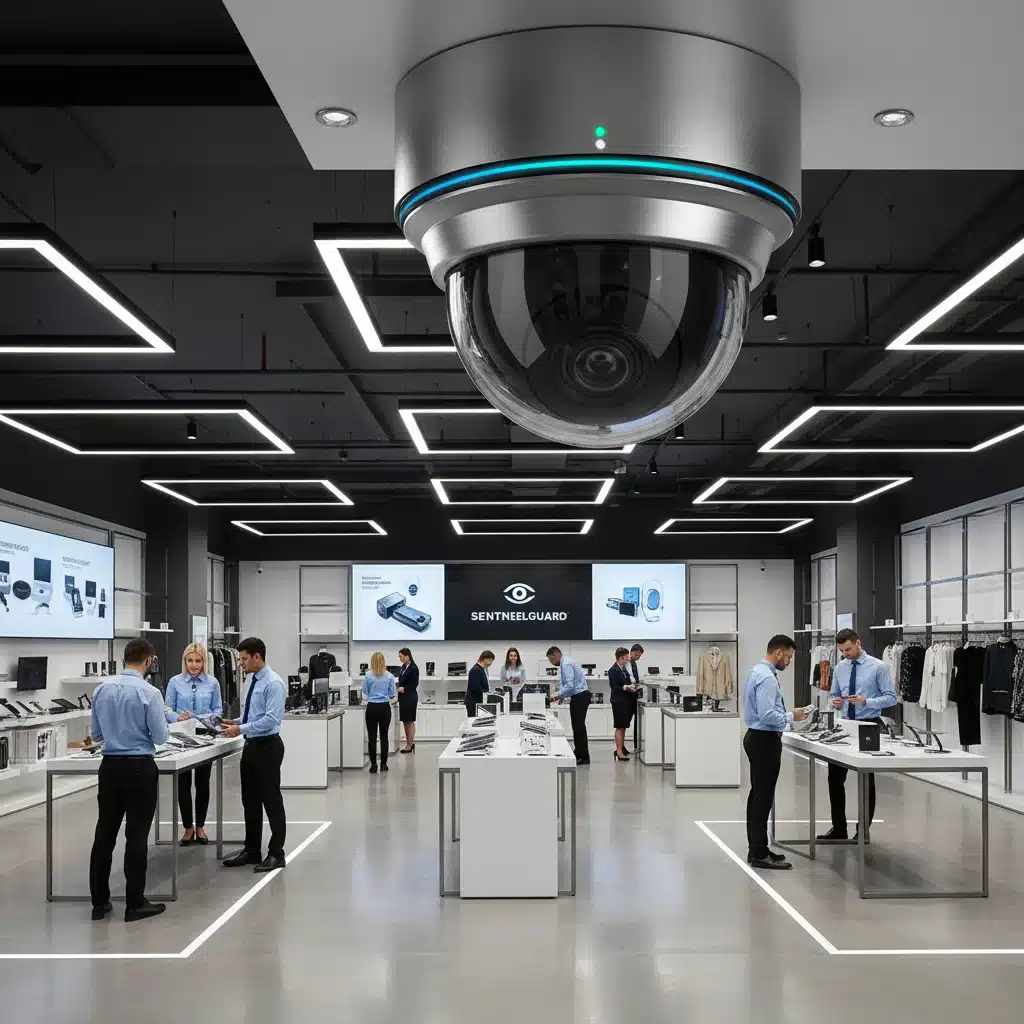
Advanced Loss Prevention Tactics: Cutting Internal Theft by 18% with New Surveillance Technologies for 2026
In the dynamic landscape of modern business, safeguarding assets and revenue is paramount. While external threats often dominate headlines, internal theft remains a silent, yet significant, drain on profitability for countless organizations. The Association of Certified Fraud Examiners (ACFE) consistently reports that internal fraud, including theft, accounts for a substantial percentage of total losses for businesses worldwide. Addressing this insidious challenge requires a proactive, multi-faceted approach, and the integration of advanced surveillance technologies is proving to be a game-changer. This comprehensive guide delves into the latest loss prevention tactics, with a keen focus on how cutting-edge surveillance can help businesses achieve an ambitious goal: cutting internal theft by 18% by 2026.
The concept of internal theft prevention is not merely about installing cameras; it’s about creating a culture of accountability, implementing robust policies, and leveraging technology to deter, detect, and investigate illicit activities by employees. From cash skimming and inventory manipulation to data breaches and misuse of company property, the forms of internal theft are diverse and constantly evolving. As businesses scale and operations become more complex, the window for such malpractices often widens, making sophisticated loss prevention strategies more critical than ever.
Our journey into advanced loss prevention begins with a deep understanding of the problem itself. We’ll explore the various manifestations of internal theft, the motivations behind it, and the significant financial and reputational damage it inflicts. Subsequently, we will pivot to the innovative solutions offered by modern surveillance technology, examining how AI-powered analytics, high-definition cameras, access control systems, and integrated security platforms are transforming the fight against internal fraud. By the end of this article, you will have a clear roadmap for implementing effective internal theft prevention strategies that are not only technologically advanced but also ethically sound and legally compliant.
The Pervasive Problem of Internal Theft: Understanding the Landscape
Before we can effectively combat internal theft, we must first comprehend its scope and nature. Internal theft encompasses any unauthorized taking, use, or manipulation of company assets by employees, contractors, or even temporary staff. It’s not always about outright stealing cash; it can manifest in numerous subtle and overt ways, each contributing to significant financial leakage for businesses. The impact extends beyond monetary losses, affecting employee morale, customer trust, and the overall integrity of the organization.
Common Forms of Internal Theft:
- Cash Skimming: Employees taking cash before it’s recorded in the accounting system.
- Inventory Shrinkage: Theft of merchandise or supplies, often disguised as damaged goods or accounting errors.
- Payroll Fraud: Falsifying timesheets, creating ghost employees, or manipulating expense reports.
- Data Theft: Unauthorized access, copying, or distribution of sensitive company data or customer information.
- Misuse of Company Assets: Using company vehicles, equipment, or resources for personal gain without permission.
- Vendor Fraud: Colluding with suppliers for kickbacks or manipulating invoices.
The motivations behind internal theft are complex and varied. They can range from financial hardship and perceived unfairness to addiction, greed, or simply a lack of ethical boundaries. Often, employees rationalize their actions, believing they are ‘owed’ something or that the company won’t notice. This makes a strong ethical culture and clear policies crucial components of any internal theft prevention strategy.
The financial impact of internal theft is staggering. According to the ACFE’s 2022 Report to the Nations, organizations lose an estimated 5% of their revenue to fraud each year, with occupational fraud (which includes internal theft) being a significant contributor. For a company with $10 million in annual revenue, this translates to $500,000 lost to fraud, a figure that can severely impact profitability and growth. Moreover, the reputational damage from internal theft can be long-lasting, eroding customer trust and making it difficult to attract and retain top talent.
Understanding these facets of internal theft is the foundational step towards building robust loss prevention programs. It highlights the necessity of moving beyond traditional security measures and embracing a more integrated, technologically driven approach to internal theft prevention.
The Evolution of Surveillance: Beyond Basic CCTV
For decades, Closed-Circuit Television (CCTV) has been the cornerstone of security and loss prevention. While traditional CCTV systems offer a basic level of visual deterrence and evidence collection, they often fall short in proactively identifying and preventing internal theft. The sheer volume of footage, the manual effort required for review, and the limitations in real-time analysis made them reactive rather than preventive tools. However, the landscape of surveillance technology has undergone a revolutionary transformation, moving far beyond simple recording.
Today’s advanced surveillance systems are intelligent, integrated, and predictive. They leverage powerful analytics, artificial intelligence (AI), and machine learning (ML) to provide unprecedented insights into operational activities and employee behavior. This new generation of technology is essential for effective internal theft prevention.
Key Advancements in Surveillance Technology for Loss Prevention:
- High-Definition (HD) and Ultra-HD (UHD) Cameras: Offering crystal-clear images and video, enabling precise identification of individuals and detailed observation of transactions or activities. This significantly improves the quality of evidence for investigations.
- AI-Powered Video Analytics: This is perhaps the most transformative advancement. AI can analyze video streams in real-time to detect anomalies, suspicious behaviors, or predefined events. Examples include:
- Behavioral Recognition: Identifying unusual patterns like repeated trips to restricted areas, unusual interactions with inventory, or prolonged presence in sensitive zones.
- Object Recognition: Detecting when items are removed from shelves without being scanned, or when unauthorized items are brought into or out of a facility.
- Facial Recognition: (Used cautiously and ethically, with privacy considerations) Identifying individuals entering specific areas or tracking known offenders.
- Traffic Flow Analysis: Understanding movement patterns to identify bottlenecks or areas where theft is more likely to occur.
- Point-of-Sale (POS) Integration: Connecting surveillance footage directly with POS data allows businesses to overlay transaction details onto video recordings. This makes it incredibly easy to spot discrepancies, such as voided transactions without corresponding returns, under-ringing, or sweethearting (giving unauthorized discounts). This integration is a cornerstone of modern internal theft prevention in retail.
- Thermal Imaging Cameras: Useful in low-light conditions or for detecting body heat, which can be crucial in warehouses or during off-hours to identify unauthorized presence.
- Cloud-Based Surveillance Systems: Offering remote access, scalability, and secure storage of footage, reducing the need for on-site infrastructure and enabling multi-location monitoring from a central hub.
- Drone Surveillance: For large facilities or outdoor areas, drones equipped with cameras can provide aerial oversight, deterring large-scale theft or unauthorized access.
These technological advancements move surveillance from a mere recording device to an intelligent analytical tool. They empower security teams to be proactive, identifying potential threats before they escalate into significant losses. The ability to integrate these systems with other business operations, such as inventory management and human resources, further amplifies their effectiveness in comprehensive internal theft prevention.
Strategic Implementation: Beyond the Camera Lens
While cutting-edge surveillance technology is vital, its effectiveness is maximized when integrated into a broader, strategic loss prevention framework. Simply installing cameras without a clear plan, trained personnel, and defined protocols is akin to having a powerful engine without a steering wheel. Strategic implementation transforms technology into actionable intelligence for superior internal theft prevention.
Key Elements of Strategic Implementation:
- Risk Assessment and Vulnerability Analysis: Before deploying any technology, conduct a thorough assessment to identify the most vulnerable areas and common internal theft schemes within your organization. This includes analyzing past incidents, reviewing operational procedures, and identifying areas with high cash flow, valuable inventory, or sensitive data. Tailoring your surveillance strategy to these specific risks is crucial.
- Clear Policies and Procedures: Establish comprehensive policies regarding employee conduct, asset handling, cash management, and data security. These policies should clearly define what constitutes theft, the consequences of such actions, and the role of surveillance in monitoring compliance. Communicate these policies clearly to all employees during onboarding and through regular training. Transparency about surveillance helps in deterrence.
- Employee Training and Awareness: Educate employees about the importance of loss prevention, the various forms of internal theft, and how the company utilizes technology to protect its assets. Emphasize that these measures are in place to protect the business, its employees, and its customers. A well-informed workforce can act as an additional layer of defense.
- Integration with Other Systems: Modern loss prevention is holistic. Integrate surveillance systems with POS systems, access control, alarm systems, and even HR databases. This creates a unified security ecosystem where data from different sources can be cross-referenced to detect anomalies more effectively. For instance, an employee clocking in during off-hours (via access control) combined with unusual activity captured by a camera can immediately flag a potential issue.
- Dedicated Loss Prevention Team: Invest in a dedicated team or individuals responsible for monitoring surveillance feeds, analyzing data, conducting investigations, and implementing loss prevention strategies. These professionals should be trained in forensic analysis, interview techniques, and legal compliance.
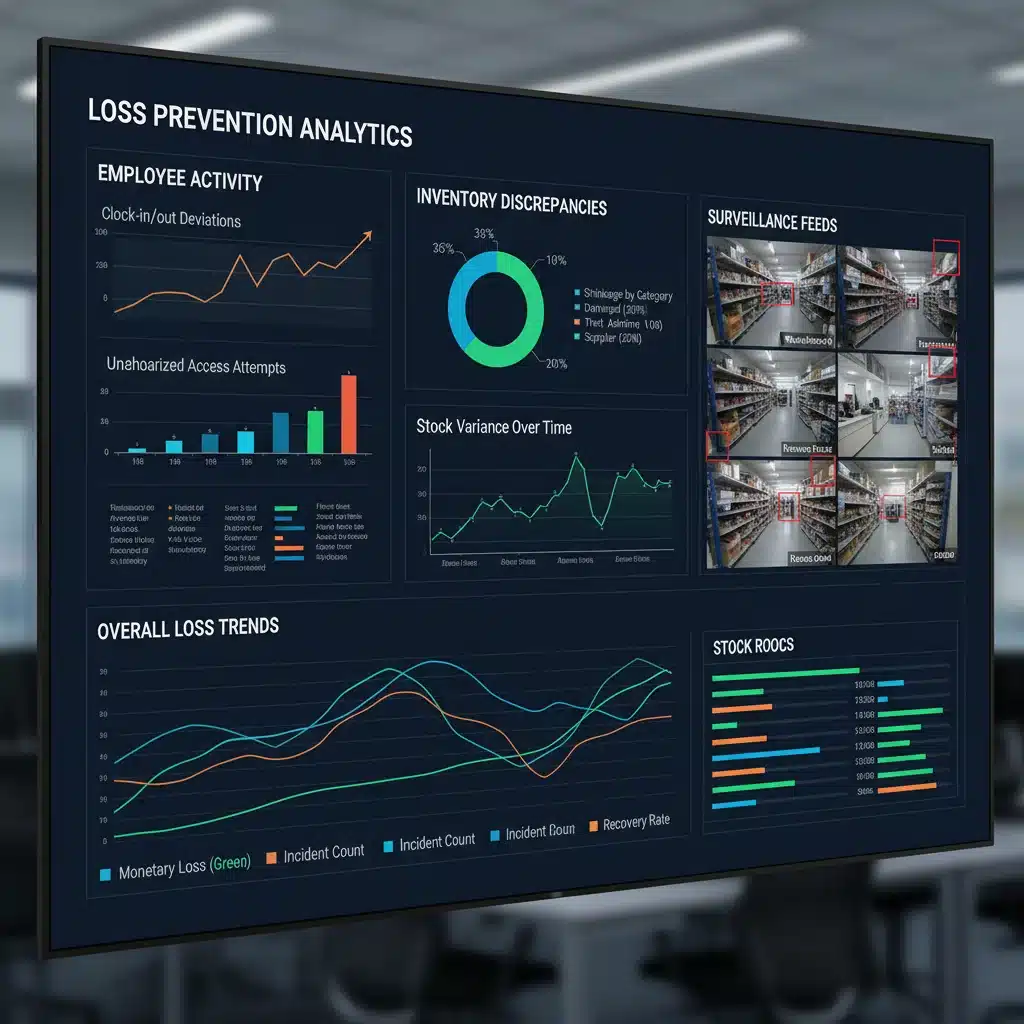
Leveraging Data Analytics for Proactive Prevention:
The true power of advanced surveillance lies in its ability to generate vast amounts of data. This data, when properly analyzed, can provide predictive insights, moving loss prevention from a reactive to a proactive discipline. Data analytics can identify patterns, trends, and anomalies that might indicate potential internal theft. For example:
- Trend Analysis: Tracking inventory shrinkage over time in specific departments or shifts to identify recurring issues.
- Exception Reporting: Automatically flagging transactions that deviate from normal patterns, such as an unusually high number of voids, returns without receipts, or large discounts given by a specific employee.
- Behavioral Biometrics: Analyzing individual employee behaviors over time to detect deviations from their typical patterns, which could signal distress or illicit activity.
- Predictive Modeling: Using historical data to forecast areas or situations where internal theft is more likely to occur, allowing for targeted surveillance and intervention.
By transforming raw data into actionable intelligence, businesses can optimize their resources, focus their efforts on high-risk areas, and ultimately enhance their internal theft prevention capabilities. This data-driven approach is what will enable the targeted 18% reduction in internal theft by 2026, as it allows for continuous improvement and adaptation of strategies.
Ethical and Legal Considerations in Surveillance
While the benefits of advanced surveillance for internal theft prevention are undeniable, it is crucial for businesses to navigate the ethical and legal landscape carefully. Employee privacy, data protection, and legal compliance are paramount. Ignoring these aspects can lead to legal challenges, reputational damage, and a breakdown of trust within the organization.
Key Ethical and Legal Principles:
- Transparency and Notice: Employees should be fully aware that they are being monitored. This typically involves clear signage in monitored areas, explicit clauses in employment contracts, and detailed company policies outlining the scope and purpose of surveillance. Covert surveillance is generally discouraged and often illegal in many jurisdictions, except in very specific circumstances involving suspected criminal activity.
- Legitimate Purpose: Surveillance should always serve a legitimate business purpose, such as loss prevention, safety, or quality control. It should not be used for harassment, discrimination, or to monitor employees’ personal lives.
- Proportionality: The level and intensity of surveillance should be proportionate to the risks being addressed. Overly intrusive surveillance, especially in areas where employees have a reasonable expectation of privacy (e.g., restrooms, changing rooms), is almost universally illegal and unethical.
- Data Protection and Privacy: Surveillance footage and related data often contain sensitive personal information. Businesses must comply with data protection regulations such as GDPR, CCPA, and other local privacy laws. This includes secure storage of data, limited access to authorized personnel, clear retention policies, and procedures for responding to data subject requests.
- Non-Discrimination: Surveillance practices must be applied consistently and without discrimination. Targeting specific individuals or groups based on protected characteristics is illegal and unethical.
- Employee Consent: While not always legally required for workplace surveillance (especially if legitimate business interests are involved and proper notice is given), obtaining explicit consent where possible, or ensuring employees acknowledge and understand the policies, can help mitigate future disputes.
- Chain of Custody for Evidence: If surveillance footage is to be used as evidence in disciplinary actions or legal proceedings, a strict chain of custody must be maintained to ensure its integrity and admissibility.
Striking the right balance between security needs and employee privacy is a delicate act. Companies that prioritize transparency, clear communication, and adherence to legal frameworks are more likely to foster a positive work environment where employees understand and accept surveillance as a necessary tool for mutual protection, rather than an oppressive measure. Legal counsel should always be consulted to ensure compliance with local and national laws regarding workplace surveillance.
Case Studies and Success Stories: Realizing the 18% Reduction Goal
The theoretical benefits of advanced surveillance and strategic implementation for internal theft prevention are compelling, but real-world examples solidify their impact. Numerous businesses across various sectors have successfully leveraged these technologies to significantly reduce losses due to internal theft. While an 18% reduction is an ambitious target, it is achievable through a committed and well-executed strategy.
Retail Chain A: Cutting POS-Related Theft by 25%
A large retail chain faced persistent issues with cashiers manipulating POS systems, leading to significant inventory shrinkage and cash discrepancies. They implemented a comprehensive solution integrating high-definition cameras directly with their POS data. AI-powered analytics were configured to flag suspicious transactions, such as an unusual number of voids, no-sale transactions, or excessive discounts. The system automatically generated alerts for the loss prevention team, who could then review the corresponding video footage instantly. Within 12 months, the chain reported a 25% reduction in POS-related theft and a noticeable improvement in cashier accountability. The immediate visual evidence streamlined investigations and reduced the time spent on resolving discrepancies.
Warehouse B: Reducing Inventory Shrinkage by 15%
A major distribution warehouse struggled with unexplained inventory losses, suspected to be internal. They deployed a network of AI-enabled cameras covering all entry/exit points, shipping/receiving docks, and high-value storage areas. The AI was trained to recognize unusual movement patterns, unauthorized access to restricted zones, and instances of items being moved without proper documentation. They also implemented an access control system linked to the surveillance, limiting access to specific areas based on employee roles. The combination of proactive monitoring and restricted access led to a 15% decrease in inventory shrinkage within 18 months. The system also provided clear video evidence for disciplinary actions, deterring future incidents.
Healthcare Facility C: Protecting Sensitive Data and Supplies
A large hospital faced challenges with unauthorized access to sensitive patient records and pilferage of medical supplies. They installed discreet, high-resolution cameras in hallways and storage areas, integrated with their badge access system. AI analytics were used to monitor access attempts to restricted server rooms and medication storage units, flagging any unauthorized or unusual entries. The system also helped identify staff taking supplies for personal use. By enhancing their internal theft prevention measures through integrated surveillance, they saw a significant reduction in both data breaches and supply losses, improving compliance and patient safety.
These case studies underscore that the 18% reduction target is not just theoretical. It requires a commitment to investing in the right technology, developing a robust implementation plan, and fostering a culture of integrity. The return on investment (ROI) from preventing internal theft often far outweighs the initial expenditure on advanced surveillance systems, making it a sound business decision for long-term profitability and security.
Building a Culture of Integrity and Accountability
While technology plays a pivotal role in internal theft prevention, it is only one piece of the puzzle. The most effective loss prevention strategies are built upon a foundation of strong organizational culture, where integrity, accountability, and ethical conduct are highly valued and consistently reinforced. Technology acts as an enforcer and a deterrent, but a positive work environment can significantly reduce the propensity for internal theft in the first place.
Key Cultural and Human Elements:
- Strong Ethical Leadership: Management must lead by example, demonstrating unwavering commitment to ethical behavior and zero tolerance for fraud. When employees see leadership upholding high standards, it sets the tone for the entire organization.
- Clear Communication of Values: Regularly communicate the company’s core values, particularly those related to honesty, integrity, and respect for company property. This can be done through internal campaigns, training sessions, and consistent messaging.
- Fair and Consistent Policies: Ensure that policies related to theft and misconduct are applied fairly and consistently across all levels of the organization. Perceived favoritism or inconsistency can breed resentment and a sense of injustice, potentially motivating some employees to engage in theft.
- Employee Engagement and Satisfaction: Disgruntled or disengaged employees are more likely to rationalize dishonest behavior. Fostering a positive work environment, offering competitive compensation, recognizing achievements, and providing opportunities for growth can significantly reduce the likelihood of internal theft. When employees feel valued and respected, they are less likely to betray that trust.
- Anonymous Reporting Mechanisms (Whistleblower Programs): Implement secure and anonymous channels for employees to report suspicious activities or concerns without fear of retaliation. Many internal frauds are first detected through tips from other employees. A robust whistleblower program can be an invaluable tool for early detection.
- Regular Audits and Controls: Beyond surveillance, implement regular internal audits of financial records, inventory, and operational processes. Strong internal controls, such as segregation of duties and mandatory approvals for certain transactions, act as deterrents and make it harder for theft to occur unnoticed.
- Pre-Employment Screening: Conduct thorough background checks for all potential employees, especially those in positions of trust or with access to valuable assets. This is a foundational step in preventing individuals with a history of dishonest behavior from entering the organization.
- Exit Interviews: Conduct comprehensive exit interviews with departing employees. Sometimes, valuable insights into vulnerabilities or past misconduct can be uncovered, helping to improve future internal theft prevention strategies.
A holistic approach that combines advanced surveillance technology with a strong ethical culture and robust human resource practices creates the most resilient defense against internal theft. This synergy not only protects assets but also builds a more trustworthy and productive workforce, fostering an environment where all employees feel secure and valued.
The Future of Loss Prevention: AI, IoT, and Predictive Analytics
As we look towards 2026 and beyond, the field of loss prevention is poised for even greater transformation, driven by continued advancements in artificial intelligence (AI), the Internet of Things (IoT), and sophisticated predictive analytics. These emerging technologies will further empower businesses to proactively identify, mitigate, and prevent internal theft with unprecedented precision and efficiency.
Emerging Trends and Technologies:
- Hyper-Integrated Security Platforms: The trend towards integrating disparate security systems (surveillance, access control, alarms, fire safety, environmental sensors) into a single, unified platform will accelerate. This will provide a holistic view of security operations, enabling faster response times and more comprehensive data analysis for internal theft prevention.
- IoT Sensors for Asset Tracking: Miniaturized IoT sensors attached to high-value inventory or equipment will provide real-time location tracking and environmental monitoring. If an item leaves a designated zone or experiences unusual conditions (e.g., temperature changes for sensitive goods), alerts can be triggered, immediately flagging potential theft or misuse.
- Advanced Behavioral Analytics: Beyond current capabilities, AI will become even more adept at understanding and predicting human behavior. This includes analyzing patterns of communication (e.g., email, internal messaging, where legally permissible and with proper consent), network activity, and physical movements to identify subtle indicators of potential fraud or theft before they escalate.
- Predictive Maintenance for Security Systems: AI will not only monitor for theft but also for the health of the security infrastructure itself. Predictive analytics can forecast potential failures in cameras, servers, or sensors, ensuring that the loss prevention system is always operational and effective.
- Robotics and Autonomous Security Guards: In large warehouses or outdoor facilities, autonomous robots equipped with surveillance cameras and sensors are already being deployed. These robots can patrol designated areas, detect anomalies, and provide real-time alerts, supplementing human security teams and extending coverage.
- Blockchain for Supply Chain Transparency: While not direct surveillance, blockchain technology can provide an immutable ledger of transactions and movements within the supply chain, making it incredibly difficult for internal actors to manipulate inventory records or divert goods without detection. This enhances transparency and accountability, supporting internal theft prevention efforts.
- Biometric Authentication: Beyond facial recognition, advancements in fingerprint, iris, and voice recognition will make access control even more secure, ensuring that only authorized personnel can access sensitive areas or systems.
The convergence of these technologies will create an intelligent, self-aware loss prevention ecosystem that is constantly learning, adapting, and protecting assets. However, as technology advances, so too must the focus on ethical deployment and robust data governance. The future of internal theft prevention will be characterized by a delicate balance between leveraging cutting-edge tools and upholding privacy and human rights.
Conclusion: A Proactive Stance for a Secure Future
Internal theft remains a persistent and costly challenge for businesses worldwide, eroding profits, damaging reputations, and undermining trust. However, the battle against this insidious threat is far from lost. By embracing advanced loss prevention tactics, particularly through the strategic deployment and intelligent use of new surveillance technologies, organizations can significantly bolster their defenses and achieve ambitious goals, such as cutting internal theft by 18% by 2026.
The journey to enhanced internal theft prevention is multifaceted. It begins with a deep understanding of the problem’s scope and manifestations, followed by the adoption of cutting-edge surveillance solutions that go far beyond traditional CCTV. These modern systems, powered by AI and integrated with operational data, offer unprecedented capabilities for real-time detection, forensic analysis, and proactive deterrence. Yet, technology alone is insufficient. Its effectiveness is amplified when embedded within a comprehensive strategy that includes robust policies, thorough employee training, and a dedicated loss prevention team.
Crucially, businesses must navigate the ethical and legal complexities of surveillance with diligence and transparency. Prioritizing employee privacy, adhering to data protection regulations, and fostering a culture of trust are not merely compliance requirements; they are fundamental to building a sustainable and effective loss prevention program. When employees understand the purpose of surveillance and feel respected, they are more likely to be partners in safeguarding company assets rather than potential threats.
Looking ahead, the continuous evolution of AI, IoT, and predictive analytics promises even more sophisticated tools for combating internal theft. Businesses that stay abreast of these advancements and integrate them thoughtfully will be best positioned to protect their assets in an increasingly complex operational environment. By taking a proactive, integrated, and ethically sound approach to loss prevention, organizations can not only mitigate financial losses but also cultivate a more secure, accountable, and ultimately, more profitable future.
The investment in advanced internal theft prevention is an investment in the longevity and integrity of your business. It’s about protecting more than just your bottom line; it’s about safeguarding your reputation, fostering a positive work environment, and ensuring that your organization is resilient against internal threats for years to come.