Metaverse Retail: Boosting Brand Recall in the U.S. by 2026

The digital landscape is constantly evolving, and at the forefront of this transformation is the metaverse. More than just a buzzword, the metaverse represents a persistent, interconnected set of virtual spaces where users can interact with each other, digital objects, and AI-driven entities. For the retail sector, this new frontier presents an unprecedented opportunity to redefine consumer engagement, product discovery, and ultimately, brand loyalty. A recent study projects that early U.S. adopters of metaverse retail are set to experience an impressive 8% higher brand recall by 2026. This isn’t merely a speculative forecast; it’s a testament to the transformative power of immersive digital experiences. Understanding the mechanisms behind this projected success and how brands can effectively leverage the metaverse is crucial for staying competitive in the rapidly evolving market.
The concept of metaverse retail brand recall is rooted in the unique characteristics of virtual environments. Unlike traditional e-commerce, which is largely two-dimensional and transactional, the metaverse offers a multi-sensory, interactive, and often social experience. Imagine a customer not just browsing products on a website, but actually walking into a virtual store, trying on digital clothes with their avatar, attending a virtual concert sponsored by a brand, or even co-creating products in a shared digital space. These experiences are inherently more memorable and emotionally engaging, leading to a stronger imprint of the brand in the consumer’s mind. The increased engagement, novelty, and personalized interactions within the metaverse contribute directly to enhanced memory retention and, consequently, higher brand recall.
This article will delve into the strategies that U.S. retailers are employing to capitalize on the metaverse’s potential. We will explore the technological underpinnings, the psychological impact on consumers, successful case studies, and the challenges that still need to be addressed. By understanding these dynamics, businesses can better prepare for a future where their digital presence extends far beyond a conventional website, fostering deeper connections with their audience and securing a significant competitive advantage in the realm of metaverse retail brand recall.
The Rise of Immersive Commerce: Why Metaverse Retail Matters
The shift towards immersive commerce is not just a technological fad; it’s a response to evolving consumer expectations. Modern consumers, particularly younger generations, seek experiences over mere transactions. They value authenticity, personalization, and social interaction. The metaverse provides a platform where these desires can be met in ways that traditional retail simply cannot. In the metaverse, brands can create fully customizable virtual storefronts that transcend the limitations of physical space and gravity. They can host events, launch exclusive digital products (NFTs), and build vibrant communities around their offerings. This level of interaction and engagement is a potent driver for boosting metaverse retail brand recall.
Consider the difference between viewing a product image online and virtually ‘trying on’ that product with your avatar in a digital replica of a flagship store. The latter creates a much richer, more personal memory. This heightened sensory engagement, combined with the novelty of the experience, makes the brand more salient and easier to recall later. Furthermore, the social aspect of the metaverse, where users can interact with friends and other consumers while shopping, adds another layer of memorability. Shared experiences are often more impactful than solitary ones, and when those shared experiences are tied to a particular brand, the recall effect is amplified.
Early adopters are already demonstrating the efficacy of this approach. Brands that have ventured into platforms like Decentraland, The Sandbox, Roblox, and Fortnite are not just selling digital goods; they are building entire brand ecosystems. These ecosystems offer unique value propositions, from exclusive virtual concerts to limited-edition digital wearables, all designed to immerse the consumer in the brand’s world. This deep immersion is what ultimately drives the projected 8% increase in metaverse retail brand recall for these pioneering U.S. companies by 2026. They are not just selling products; they are selling experiences that resonate deeply with their target audience.
Psychological Foundations: How Immersion Enhances Memory
The enhanced brand recall observed in metaverse retail is not accidental; it’s rooted in fundamental principles of cognitive psychology. Human memory is significantly influenced by the depth of processing and the emotional resonance of an experience. Immersive environments like the metaverse naturally facilitate deeper processing. When a consumer actively navigates a virtual store, interacts with 3D models of products, and engages in social activities within a branded space, they are performing more cognitive operations than they would by simply scrolling through a 2D website. This active engagement leads to stronger memory encoding.
Furthermore, the novelty and emotional impact of metaverse experiences play a crucial role. The ‘wow’ factor of stepping into a beautifully designed virtual store, attending an exclusive virtual event, or seeing one’s avatar adorned in digital couture evokes strong emotions. Emotions are powerful memory enhancers. Positive emotions, in particular, can make an experience more memorable and create a positive association with the brand. This emotional connection is a key differentiator for metaverse retail brand recall compared to traditional digital marketing.
The concept of ‘presence’ is also vital. In a truly immersive metaverse experience, users feel a sense of ‘being there’ in the virtual world. This feeling of presence blurrs the lines between the physical and digital, making the virtual interactions feel more real and impactful. When a consumer feels present in a branded metaverse environment, the brand becomes an integral part of that authentic experience, leading to a more robust and lasting memory. This psychological advantage is precisely what early U.S. adopters are leveraging to achieve higher brand recall rates.
Key Strategies for Boosting Metaverse Retail Brand Recall
Achieving an 8% higher metaverse retail brand recall by 2026 requires a deliberate and strategic approach. It’s not enough to simply have a presence in the metaverse; brands must craft compelling, valuable, and memorable experiences. Here are some key strategies:
1. Creating Unique and Immersive Virtual Storefronts
Forget static product pages. In the metaverse, your store can be an architectural marvel, a fantastical landscape, or an interactive art installation. Brands should invest in designing virtual storefronts that are not only aesthetically pleasing but also offer unique functionalities. This could include interactive displays, gamified product discovery, or personalized shopping assistants. The goal is to make the virtual store a destination in itself, not just a point of sale. For instance, a fashion brand might create a virtual runway where users can customize outfits and see them modeled by avatars in real-time, offering a far more engaging experience than traditional online shopping.
2. Leveraging NFTs and Digital Collectibles
Non-Fungible Tokens (NFTs) are a cornerstone of the metaverse economy and a powerful tool for brand engagement. Brands can create exclusive digital collectibles, wearables, or art pieces that consumers can own, trade, and display in their virtual identities. These NFTs not only generate revenue but also foster a sense of exclusivity and community. Owning a rare branded NFT creates a strong, personal connection to the brand, significantly enhancing metaverse retail brand recall. Moreover, the inherent scarcity and tradability of NFTs drive secondary market activity, keeping the brand relevant and top-of-mind for a dedicated segment of consumers.
3. Hosting Engaging Virtual Events and Experiences
From virtual concerts and fashion shows to product launches and interactive games, events in the metaverse offer unparalleled opportunities for brand immersion. These events can draw large audiences, generate significant buzz, and provide memorable experiences that directly link back to the brand. Imagine a sports brand hosting a virtual athletic challenge with celebrity avatars, or a beauty brand launching a new product line with an interactive virtual makeup tutorial. Such events create shared social experiences that are highly effective in solidifying metaverse retail brand recall. The novelty and communal aspect of these events make them particularly sticky in consumers’ minds.
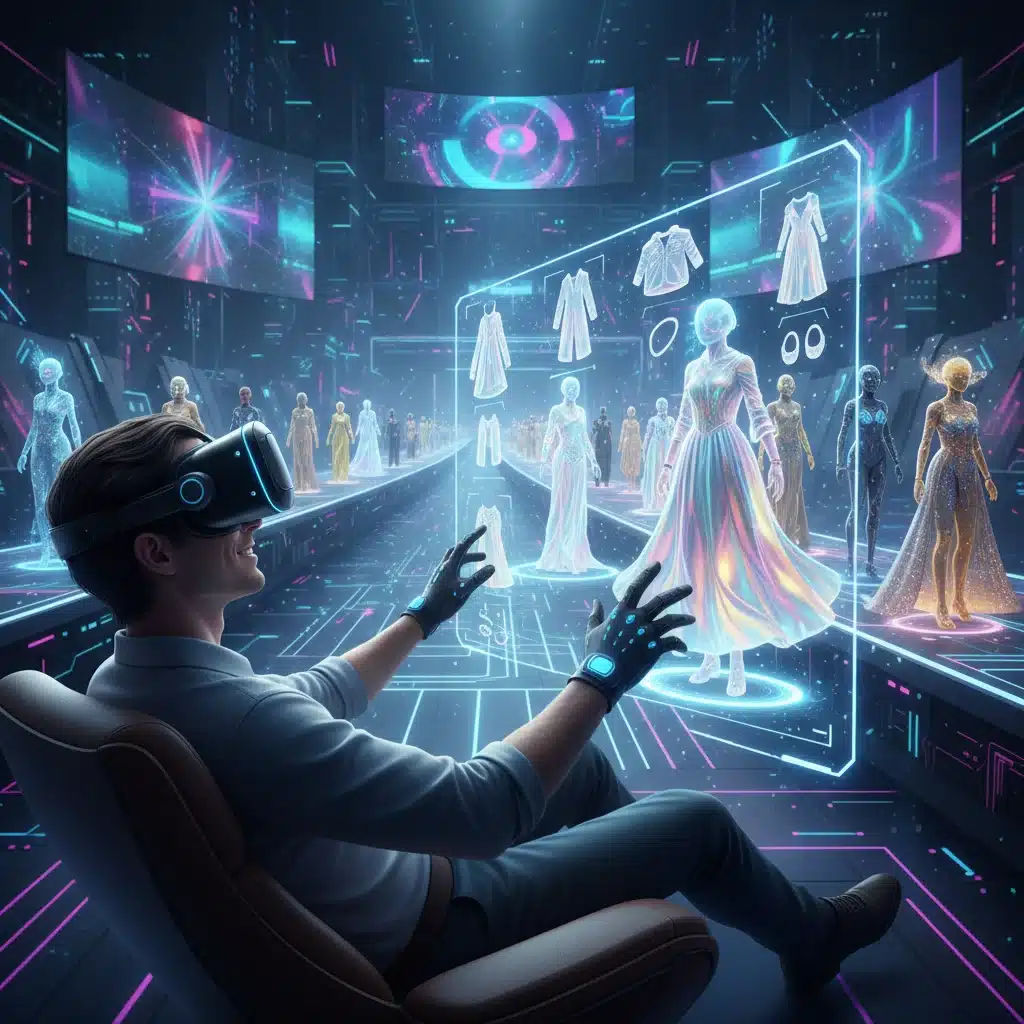
4. Fostering Community and Social Interaction
The metaverse is inherently social. Brands that succeed will be those that actively cultivate communities around their virtual presence. This involves creating spaces where users can interact with each other, share experiences, and discuss products. Forums, chat functions, and shared virtual spaces can transform passive consumers into active brand advocates. When consumers feel a sense of belonging and connection within a brand’s metaverse ecosystem, their loyalty and recall become significantly stronger. This community-driven approach is a cornerstone of effective metaverse retail brand recall strategies.
5. Personalization and Customization
The metaverse offers unprecedented opportunities for personalization. Brands can use data from consumer interactions to offer tailored experiences, personalized product recommendations, and custom avatar wearables. Allowing users to customize their virtual assets and environments with branded elements further strengthens their connection to the brand. The more a consumer feels that a virtual experience is designed specifically for them, the more memorable and impactful it will be, directly contributing to higher metaverse retail brand recall.
Case Studies: Early U.S. Adopters Paving the Way
Several U.S. brands have already made significant strides in the metaverse, providing valuable insights into what works. Their early successes are a blueprint for achieving higher metaverse retail brand recall.
Nike’s Nikeland on Roblox
Nike launched Nikeland on Roblox, a virtual world where users can play games, socialize, and outfit their avatars with Nike digital products. This immersive experience allows users to engage with the brand in a fun, interactive way, going far beyond traditional advertising. The ability to ‘wear’ Nike products virtually, participate in branded challenges, and interact with other Nike enthusiasts creates a strong, positive association. The sheer volume of users on Roblox (over 200 million monthly active users) provides an enormous audience for this kind of experiential marketing, driving significant metaverse retail brand recall among a crucial demographic.
Gucci’s Garden Experience on Roblox
Luxury brand Gucci created the ‘Gucci Garden Experience’ on Roblox, a limited-time event that allowed users to explore themed rooms and acquire exclusive digital items. Despite the temporary nature, the event generated immense buzz and saw digital items selling for thousands of dollars, sometimes more than their physical counterparts. This demonstrated the power of scarcity and exclusivity in the metaverse. The unique, high-end experience solidified Gucci’s image as an innovative and desirable brand, significantly boosting metaverse retail brand recall among a younger, digitally native audience.
Walmart’s Metaverse Initiatives
Walmart has filed several trademarks indicating its intent to create virtual goods and services, including virtual retail stores. While still in early stages, this move by a retail giant signals the mainstream acceptance and potential of metaverse commerce. Walmart’s strategy is likely to focus on accessibility and convenience, translating its physical store experience into a virtual realm. By offering familiar services in an innovative setting, Walmart aims to enhance customer loyalty and metaverse retail brand recall by meeting consumers where they are increasingly spending their digital time.
Adidas’s NFT Drop and Metaverse Strategy
Adidas entered the metaverse with an NFT collection called ‘Into the Metaverse,’ offering exclusive digital and physical benefits to holders. This move allowed Adidas to connect with a tech-savvy audience and establish itself as a forward-thinking brand. The ownership of a branded NFT creates a direct, tangible link to the brand in the digital world, fostering a sense of community and investment. This strategy is highly effective in driving metaverse retail brand recall by transforming consumers into stakeholders in the brand’s digital journey.
Challenges and Considerations for Metaverse Retail Adoption
While the potential for increased metaverse retail brand recall is substantial, adopting this new paradigm comes with its own set of challenges. Retailers must navigate these hurdles to fully realize the benefits.
Technological Barriers and Accessibility
Access to the metaverse often requires specific hardware (VR/AR headsets) or powerful computing devices. This can limit the immediate reach of metaverse experiences to a segment of the population. Brands must consider the accessibility of their virtual offerings and potentially develop multi-platform strategies that cater to different levels of technological access. Ensuring a seamless and intuitive user experience across various devices is critical for widespread adoption and sustained metaverse retail brand recall.
High Development Costs and Expertise
Building compelling metaverse experiences requires significant investment in design, development, and maintenance. Brands need specialized talent in 3D modeling, game development, blockchain technology, and community management. These costs can be prohibitive for smaller retailers. Strategic partnerships and leveraging existing metaverse platforms can help mitigate some of these expenses, but a clear ROI strategy is essential to justify the initial outlay.
Security, Privacy, and Trust
As with any emerging digital technology, concerns around data security, user privacy, and the trustworthiness of virtual environments are paramount. Brands operating in the metaverse must implement robust security measures and transparent privacy policies to build consumer trust. A breach or misuse of data in the metaverse could severely damage a brand’s reputation and negatively impact metaverse retail brand recall.
Measuring ROI and Attribution
Quantifying the return on investment (ROI) for metaverse initiatives can be complex. Traditional marketing metrics don’t always translate directly to virtual environments. Brands need to develop new frameworks for measuring engagement, conversions, and the ultimate impact on metaverse retail brand recall. This includes tracking virtual purchases, dwell time in virtual spaces, social interactions, and sentiment analysis within metaverse communities.

The Future of Brand Recall in a Persistent Digital World
The projection of an 8% higher metaverse retail brand recall by 2026 is just the beginning. As the metaverse evolves, so too will the opportunities for brands to forge deeper, more meaningful connections with consumers. We can expect several trends to shape the future of brand recall in this persistent digital world:
Hyper-Personalization and AI-Driven Experiences
Advances in AI will enable even more hyper-personalized metaverse experiences. AI-powered avatars could act as personal shoppers, recommending products based on individual preferences and past interactions. This level of personalized service, delivered in an immersive environment, will dramatically enhance the relevance and memorability of brand encounters, further boosting metaverse retail brand recall.
Interoperability and Seamless Transitions
As different metaverse platforms become more interoperable, consumers will be able to seamlessly move their avatars and digital assets between various virtual worlds. This will create a more unified and consistent brand experience across the metaverse, reinforcing brand identity and simplifying consumer journeys. A consistent brand presence across multiple virtual spaces will be key to maximizing metaverse retail brand recall.
Phygital Integration: Blurring Physical and Digital
The future will see an even greater blurring of the lines between physical and digital retail. Brands will offer ‘phygital’ products – physical items that come with a corresponding digital twin in the metaverse, or vice versa. This integration will create a holistic brand experience that spans both realities, making the brand omnipresent and highly memorable. The ability to seamlessly transition between physical and virtual brand interactions will be a powerful driver for metaverse retail brand recall.
Education and Onboarding for New Users
To achieve widespread adoption, the metaverse needs to become more accessible and intuitive for mainstream users. Brands that invest in educating and onboarding new users into their metaverse experiences will gain a significant advantage. Simplified interfaces, clear tutorials, and engaging introductory experiences will lower the barrier to entry, expanding the reach of metaverse retail and amplifying its impact on metaverse retail brand recall.
Conclusion: Embracing the Metaverse for Enhanced Brand Engagement
The metaverse is no longer a distant dream; it’s a rapidly developing reality that is reshaping the retail landscape. For U.S. brands, the opportunity to achieve an 8% higher metaverse retail brand recall by 2026 is a compelling reason to engage with this new frontier. By creating immersive virtual storefronts, leveraging NFTs, hosting engaging events, fostering strong communities, and prioritizing personalization, retailers can build deep, lasting connections with their audience.
While challenges related to technology, cost, security, and measurement exist, the proactive adoption of metaverse strategies offers a significant competitive edge. Brands that embrace this shift will not only capture the attention of a new generation of consumers but also redefine what it means to experience and recall a brand. The future of retail is immersive, interactive, and inherently memorable, and those who lead the charge in the metaverse will be the ones who ultimately dominate the minds and hearts of consumers.
The journey into the metaverse is just beginning, but the early indicators are clear: for brands seeking to elevate their presence and secure enduring customer loyalty, the virtual world offers a powerful pathway to unparalleled brand recall and engagement. The time to explore and invest in metaverse retail brand recall strategies is now.


