Boost Retail Profit: 10% Energy Savings with Smart Building Management
In the competitive landscape of modern retail, every penny saved contributes directly to the bottom line. While sales and marketing often take center stage, an often-overlooked yet incredibly potent area for significant savings lies within operational costs, specifically energy consumption. For retail businesses, utility bills can represent a substantial portion of overhead, directly impacting profitability. This is where the power of retail energy efficiency comes into play, offering a tangible path to not only reduce expenses but also enhance brand image and contribute to a more sustainable future.
Imagine cutting your utility costs by a remarkable 10% within the next few years. For many retailers, this isn’t just a dream; it’s an achievable goal through the strategic implementation of smart building management systems (BMS) and a concerted effort towards energy optimization. By 2026, retailers who embrace these advanced solutions will not only see their operational costs shrink but also gain a competitive edge in an increasingly eco-conscious market.
This comprehensive guide will delve into the critical aspects of achieving substantial energy savings in retail stores. We’ll explore why retail energy efficiency is more crucial now than ever, detail the innovative technologies and strategies that drive these savings, and provide a clear roadmap for implementing smart building management to reach that ambitious 10% reduction in utility costs. From understanding your current energy footprint to leveraging AI-driven insights, prepare to transform your retail operations into a beacon of efficiency and sustainability.
The Imperative of Retail Energy Efficiency: Why Now?
The retail sector faces a unique set of energy challenges. Long operating hours, extensive lighting requirements, climate control for customer comfort and product preservation, and the constant hum of various electronic devices all contribute to significant energy consumption. Historically, these costs were often accepted as an unavoidable part of doing business. However, several converging factors are now making retail energy efficiency not just desirable, but essential.
Rising Energy Costs
Global energy markets are volatile, with prices often fluctuating due to geopolitical events, supply chain disruptions, and increased demand. Retailers are directly impacted by these rising costs, which erode profit margins. Proactive measures to reduce consumption offer a buffer against these unpredictable market forces, providing greater financial stability.
Consumer Demand for Sustainability
Today’s consumers are increasingly environmentally conscious. They are more likely to support brands that demonstrate a commitment to sustainability and ethical practices. By actively pursuing retail energy efficiency, businesses can enhance their brand reputation, attract a broader customer base, and foster greater loyalty. Green initiatives are no longer just good for the planet; they’re good for business.
Regulatory Pressures and ESG Goals
Governments worldwide are implementing stricter regulations regarding energy consumption and carbon emissions. Retailers need to comply with these evolving standards to avoid penalties and maintain their license to operate. Furthermore, many companies are setting ambitious Environmental, Social, and Governance (ESG) goals, with energy reduction being a primary component. Achieving these goals demonstrates corporate responsibility and can attract investors who prioritize sustainable businesses.
Technological Advancements
The advent of advanced technologies, particularly in the realm of smart building management systems (BMS), has made achieving significant energy savings more accessible and cost-effective than ever before. What was once complex and expensive is now streamlined and ROI-driven, making the investment in retail energy efficiency a smart financial move.
Understanding Your Energy Footprint: The First Step to Savings
Before any meaningful reductions can be made, retailers must first understand where their energy is being consumed. This involves a comprehensive energy audit, which can be conducted internally or by external specialists. The audit will typically break down energy usage by category:
- Lighting: Often the largest consumer, especially in stores with long operating hours and extensive display lighting.
- HVAC (Heating, Ventilation, and Air Conditioning): Critical for customer comfort and product integrity, HVAC systems can be major energy hogs if not optimized.
- Refrigeration: Essential for grocery stores, convenience stores, and food service retailers, refrigeration units operate continuously and consume substantial power.
- Plug Loads: Computers, POS systems, digital signage, security systems, and other miscellaneous electronics contribute to overall consumption.
By identifying the biggest energy drains, retailers can prioritize their efforts and allocate resources most effectively for maximum impact on retail energy efficiency.
Smart Building Management: The Core of Energy Reduction
At the heart of achieving a 10% reduction in utility costs lies the implementation of a robust smart building management system (BMS). A BMS is a centralized, intelligent network of hardware and software that monitors and controls a building’s mechanical and electrical equipment, including HVAC, lighting, power systems, fire systems, and security. For retail, a BMS transforms a building from a passive energy consumer into an active, intelligent optimizer.
Key Components of a Smart BMS for Retail
A modern BMS designed for retail energy efficiency typically includes:
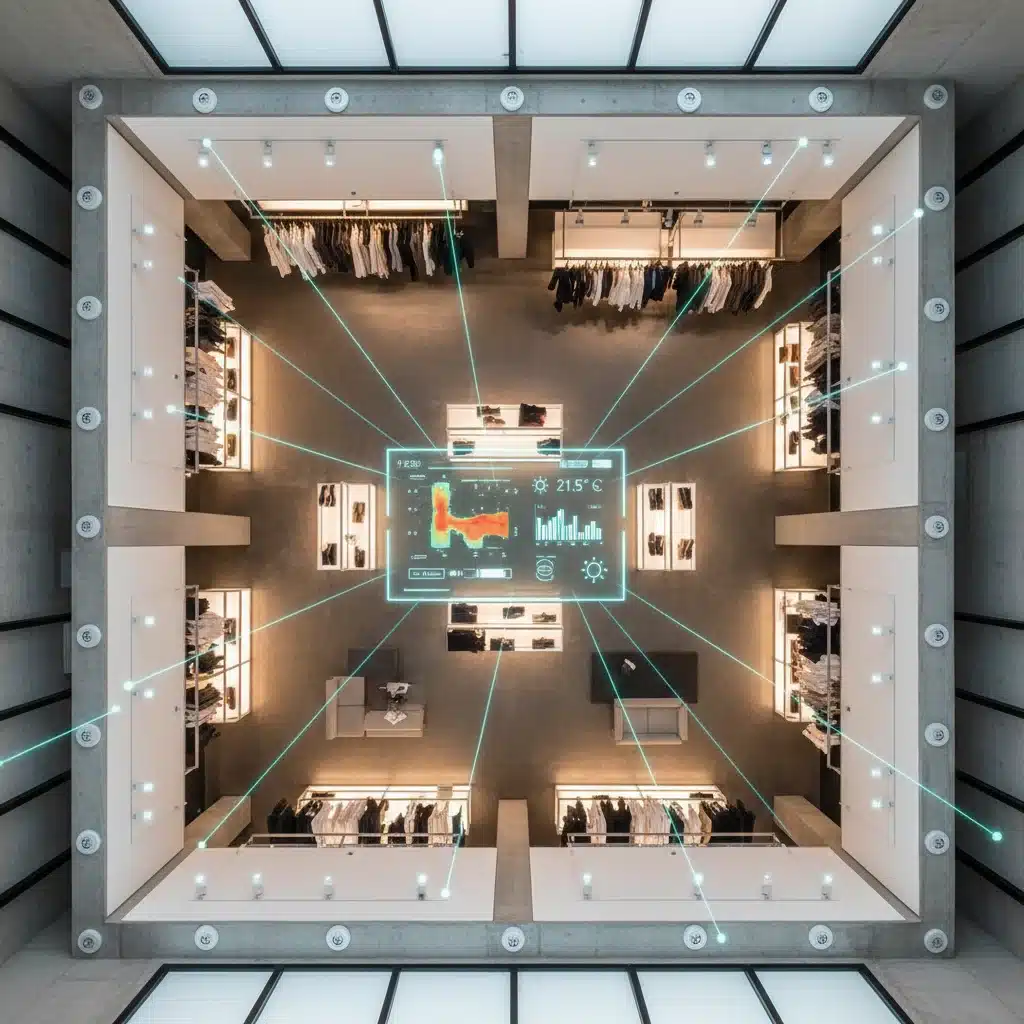
- Sensors: A network of sensors gathers real-time data on occupancy, temperature, humidity, CO2 levels, daylight availability, and even foot traffic.
- Controllers: These devices receive data from sensors and execute commands to adjust building systems (e.g., dimming lights, adjusting thermostat settings, turning off HVAC in unoccupied zones).
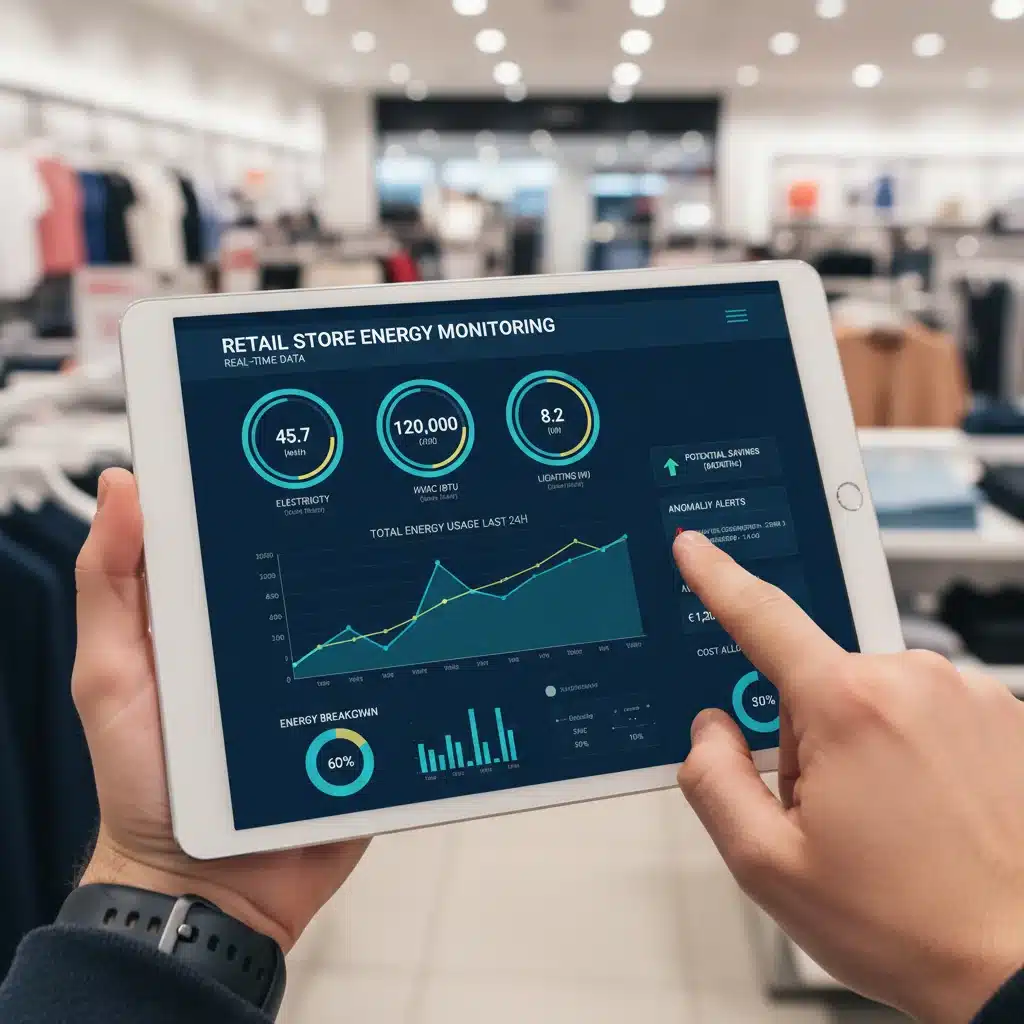
- Centralized Software Platform: This is the brain of the BMS, where all data is collected, analyzed, and visualized. It allows facility managers to monitor performance, set schedules, identify anomalies, and generate reports.
- Actuators: These are the physical components that perform actions based on controller commands, such as smart thermostats, dimmable light fixtures, and variable speed drives for HVAC fans.
Strategies for Achieving 10% Utility Cost Reduction by 2026
With a smart BMS in place, retailers can implement a variety of strategies to drive down energy consumption. Here are some of the most impactful initiatives for boosting retail energy efficiency:
1. Advanced Lighting Control and LED Upgrades
- LED Retrofits: Replacing traditional incandescent or fluorescent lighting with energy-efficient LEDs can reduce lighting energy consumption by 50-80%. LEDs also have a longer lifespan, reducing maintenance costs.
- Daylight Harvesting: Sensors detect natural light levels and automatically dim or turn off artificial lights in areas with sufficient daylight. This is particularly effective in stores with large windows or skylights.
- Occupancy Sensors: Lights in stockrooms, restrooms, offices, and less-frequented areas can be set to turn on only when motion is detected and off after a period of inactivity.
- Scheduling: Program lighting to turn off or dim during non-operating hours, or to adjust based on store zones (e.g., display lighting vs. back-office lighting).
2. Optimized HVAC Management
- Smart Thermostats and Zoning: Implement smart thermostats that learn occupancy patterns and automatically adjust temperatures. Create different HVAC zones within the store (e.g., sales floor, stockroom, office) to avoid heating or cooling unoccupied areas unnecessarily.
- Demand-Controlled Ventilation (DCV): Use CO2 sensors to modulate outdoor air intake based on actual occupancy. This prevents over-ventilating and saves energy on heating or cooling excess outside air.
- Predictive Maintenance: A BMS can monitor HVAC system performance, identify potential issues before they cause breakdowns, and schedule maintenance proactively. Well-maintained systems operate more efficiently.
- Temperature Setback Schedules: Automatically adjust temperature setpoints during non-business hours or when the store is closed, allowing for significant energy savings.
3. Smart Refrigeration Controls (for relevant retailers)
- Adaptive Defrost: Instead of fixed defrost cycles, adaptive defrost systems only initiate defrost when necessary, based on frost buildup, saving considerable energy.
- Variable Speed Drives (VSDs): Install VSDs on compressor motors and condenser fans to match motor speed to cooling demand, reducing energy consumption compared to constant-speed motors.
- Remote Monitoring and Alarms: A BMS can monitor refrigeration temperatures and performance in real-time, alerting staff to potential issues that could lead to energy waste or product spoilage.
4. Plug Load Management
- Smart Power Strips: Use smart power strips that can automatically cut power to devices (e.g., display monitors, charging stations) when they are not in use or during off-hours.
- Scheduling: Program non-essential equipment like digital signage, display TVs, and back-office equipment to power down outside of business hours.
- Employee Awareness: Educate staff on the importance of unplugging chargers and turning off equipment when not in use.
5. Energy Monitoring and Analytics
- Real-time Data: Continuously monitor energy consumption across different systems and zones. This data is crucial for identifying trends, anomalies, and areas for further optimization.
- Performance Benchmarking: Compare energy usage against historical data, similar stores, or industry benchmarks to identify underperforming areas.
- Fault Detection and Diagnostics (FDD): Advanced BMS platforms can automatically detect equipment malfunctions or operational inefficiencies (e.g., an HVAC unit running excessively) and alert facility managers, preventing prolonged energy waste.
- Reporting: Generate regular reports on energy consumption, savings achieved, and carbon footprint reduction to track progress and demonstrate ROI.
The Roadmap to 10% Reduction by 2026: A Step-by-Step Approach
Achieving significant retail energy efficiency requires a structured approach. Here’s a roadmap to guide your efforts:
Step 1: Conduct a Detailed Energy Audit (Q1 2024)
Understand your baseline. Identify major energy consumers and areas of potential waste. This audit will form the foundation for your energy reduction strategy.
Step 2: Develop a Phased Implementation Plan (Q2 2024)
Based on the audit, prioritize initiatives. Start with quick wins (e.g., LED lighting upgrades) and then plan for more complex BMS integrations. Define clear goals, timelines, and responsible parties.
Step 3: Invest in Smart Building Management System (Q3 2024 – Q2 2025)
Select and deploy a BMS that fits your retail operations. Start with core functionalities like lighting and HVAC control, then expand. Ensure the system is scalable and integrates with existing infrastructure.
Step 4: Implement Key Energy-Saving Strategies (Q4 2024 – Q4 2025)
Systematically roll out the strategies discussed above: LED conversions, smart HVAC controls, plug load management, and smart refrigeration. Train staff on new systems and energy-saving practices.
Step 5: Monitor, Analyze, and Optimize Continuously (Ongoing from Q1 2025)
This is crucial. The BMS provides data; use it. Regularly review energy consumption reports, identify inefficiencies, and fine-tune system settings. The goal is continuous improvement. Leverage AI and machine learning capabilities of modern BMS to predict energy needs and optimize performance autonomously.
Step 6: Engage Stakeholders and Foster a Culture of Efficiency (Ongoing)
Educate employees on the importance of energy efficiency and their role in achieving targets. Celebrate successes and share progress. A company-wide commitment amplifies individual efforts.
Step 7: Re-evaluate and Innovate (Annually)
Technology evolves. Periodically review new solutions and best practices in retail energy efficiency. Look for opportunities to integrate renewable energy sources (e.g., solar panels) or explore advanced demand-response programs with your utility provider.
Measuring Success and ROI
To ensure your efforts are paying off, it’s vital to track key performance indicators (KPIs):
- Total Energy Consumption (kWh): Track month-over-month and year-over-year.
- Energy Cost Savings ($): Directly measure the financial impact.
- Energy Intensity (kWh/sq ft): Normalize consumption by store size for accurate comparison.
- Carbon Footprint Reduction: Quantify environmental benefits.
- Return on Investment (ROI): Calculate how quickly your initial investments in BMS and upgrades are recouped through energy savings. Most smart building investments see an ROI within 2-5 years, often much sooner for lighting upgrades.
The Future of Retail: Sustainable and Profitable
The journey towards enhanced retail energy efficiency is not just about cutting costs; it’s about building a more resilient, responsible, and future-proof retail operation. By embracing smart building management systems and committing to continuous optimization, retail stores can confidently aim for, and achieve, a 10% reduction in utility costs by 2026. This translates into healthier profit margins, a stronger brand reputation, and a significant contribution to global sustainability efforts.
The technology is available, the benefits are clear, and the imperative is undeniable. Now is the time for retailers to take decisive action, transform their energy consumption, and lead the way towards a smarter, greener, and more profitable future.