Mitigating Supply Chain Disruptions: Lessons from the Past 6 Months for U.S. Retailers

Mitigating Supply Chain Disruptions: Lessons from the Past 6 Months for U.S. Retailers
The retail sector, particularly in the United States, has been on a relentless rollercoaster ride over the past few years. While the initial shocks of the pandemic might seem like a distant memory, the echoes of those disruptions continue to reverberate, amplified by new geopolitical tensions, economic shifts, and evolving consumer behaviors. The last six months, in particular, have presented a fresh set of challenges and invaluable lessons for U.S. retailers striving to maintain operational continuity and customer satisfaction. This period has underscored the critical importance of retail supply resilience, pushing businesses to rethink traditional strategies and embrace a more agile, data-driven approach.
From port congestions and labor shortages to inflationary pressures and unpredictable demand fluctuations, the complexities have been manifold. For U.S. retailers, navigating this turbulent environment has become less about weathering a storm and more about building a ship capable of sailing through perpetual choppiness. This article will delve into the crucial lessons learned from the recent past, offering actionable insights and strategic imperatives for enhancing retail supply resilience and future-proofing operations against an increasingly volatile global landscape.
The Evolving Landscape of Retail Supply Chain Challenges
The notion that supply chain disruptions are anomalies has been thoroughly debunked. They are, in fact, the new normal. The past six months have seen a continuation and evolution of challenges that demand constant vigilance and adaptation. Understanding these challenges is the first step towards building robust retail supply resilience.
Geopolitical Instability and Trade Dynamics
Recent geopolitical events have had a tangible impact on global trade routes and manufacturing hubs. Conflicts, sanctions, and shifting international relations can suddenly reroute shipments, increase transit times, and escalate costs. For U.S. retailers heavily reliant on international sourcing, this translates to heightened uncertainty and the need for diversified sourcing strategies. The lesson here is clear: over-reliance on a single region or country, no matter how cost-effective, can be a significant vulnerability. Building retail supply resilience requires a broader, more flexible sourcing network.
Inflationary Pressures and Cost Management
Inflation has been a dominant theme, affecting everything from raw material costs to transportation expenses and labor wages. Retailers have grappled with the delicate balance of absorbing these increased costs versus passing them on to consumers, all while trying to maintain competitive pricing and profitability. Effective cost management within the supply chain, including optimizing logistics, negotiating favorable terms with suppliers, and exploring nearshoring or reshoring options, has become paramount. This directly contributes to long-term retail supply resilience by safeguarding profit margins.
Labor Shortages and Workforce Dynamics
Across various segments of the supply chain—from warehouse workers and truck drivers to port operators—labor shortages continue to pose significant hurdles. This has led to increased operational costs, delays, and reduced efficiency. Retailers are learning that investing in workforce retention, automation, and attractive employment packages is not just a HR issue but a critical component of maintaining supply chain fluidity. A stable and skilled workforce is foundational to retail supply resilience.
Consumer Behavior Shifts and Demand Volatility
Consumer preferences are more fluid than ever, driven by economic uncertainties, social trends, and the continued growth of e-commerce. Retailers have witnessed rapid shifts in demand patterns, making accurate forecasting a formidable task. Overstocking leads to carrying costs and potential markdowns, while understocking results in lost sales and customer dissatisfaction. The ability to quickly adapt to these changes through flexible inventory management and responsive logistics is a hallmark of strong retail supply resilience.
Key Lessons Learned for Enhancing Retail Supply Resilience
The past six months have provided a live laboratory for retailers to test their mettle and learn vital lessons. These insights are not merely theoretical; they are practical imperatives for building a more robust and responsive supply chain.
Lesson 1: Diversification is Not a Luxury, It’s a Necessity
The dangers of single-sourcing have become painfully clear. Whether it’s a sole supplier for a critical component or reliance on a single transportation route, any disruption at that point can cripple the entire operation. Retailers who have fared better are those who proactively diversified their supplier base, explored multiple shipping lanes, and even considered regional distribution centers to mitigate risks. This multi-pronged approach is fundamental to achieving robust retail supply resilience.
- Supplier Redundancy: Identify alternative suppliers for key products and components, even if they come at a slightly higher cost. The insurance against disruption often outweighs the marginal savings.
- Geographic Spreading: Distribute sourcing across different geographical regions to reduce exposure to localized disruptions (e.g., natural disasters, political unrest).
- Multi-modal Transportation: Don’t rely solely on ocean freight or air freight. Explore a mix of transportation methods to maintain flexibility and respond to bottlenecks.
Lesson 2: Visibility and Data Analytics are Your Superpowers
You can’t manage what you can’t see. The lack of end-to-end visibility has been a recurring pain point for many retailers. Without real-time data on inventory levels, shipment locations, and potential delays, proactive decision-making is impossible. The successful retailers are those who have invested in advanced analytics and supply chain visibility platforms.
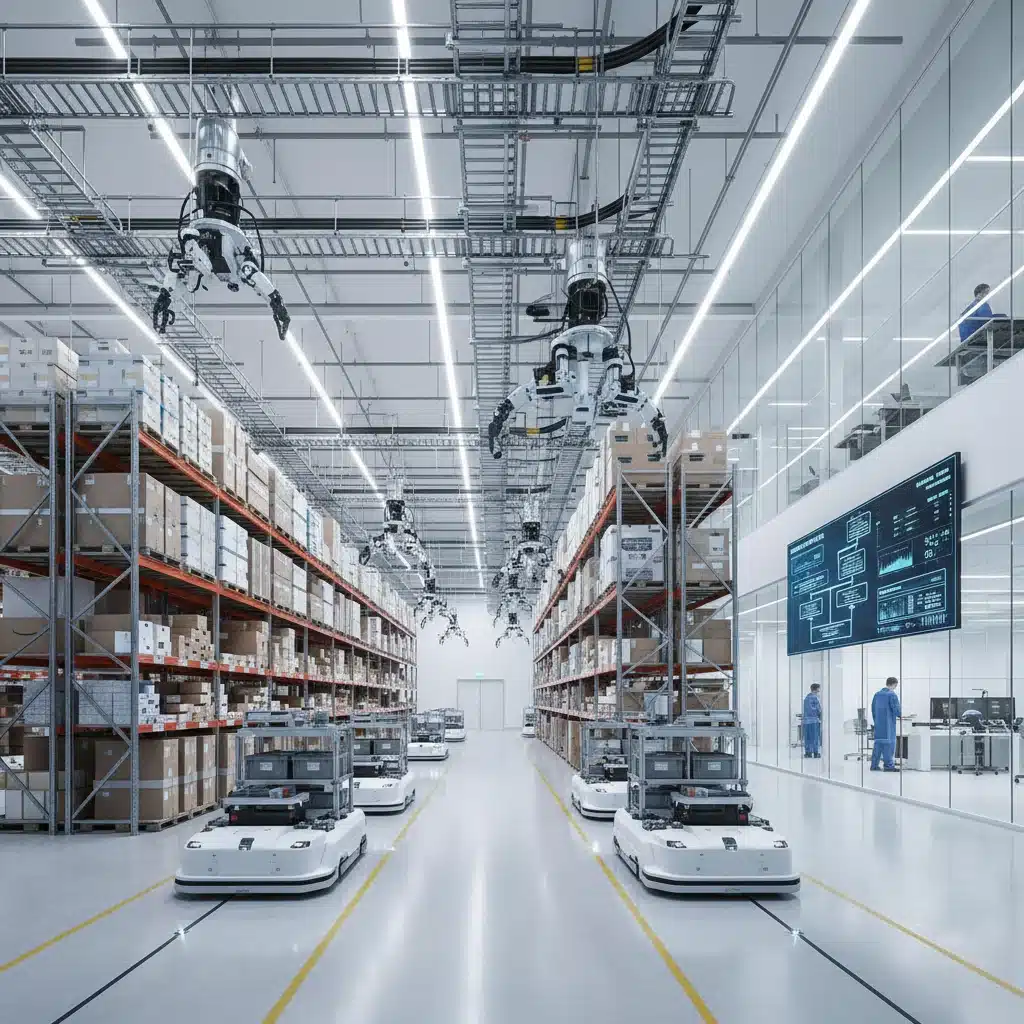
- Real-time Tracking: Implement technologies that provide real-time tracking of goods from origin to destination. This includes IoT sensors, GPS, and advanced software solutions.
- Predictive Analytics: Utilize AI and machine learning to analyze historical data and current trends to forecast demand, identify potential bottlenecks, and predict disruptions before they occur. This predictive capability significantly boosts retail supply resilience.
- Integrated Data Platforms: Break down data silos between different departments (procurement, logistics, sales, marketing) to create a unified view of the supply chain.
Lesson 3: Agility and Flexibility Are Paramount
Rigid supply chains are brittle supply chains. The ability to pivot quickly in response to unforeseen events is a critical determinant of survival and success. This means building flexibility into every aspect of the operation, from manufacturing processes to distribution networks.
- Flexible Manufacturing: Partner with manufacturers who can quickly adjust production volumes and product mixes.
- Dynamic Inventory Management: Move away from static inventory models. Implement strategies like dynamic safety stock levels, cross-docking, and agile warehousing to optimize stock holding and flow. This is central to maintaining retail supply resilience.
- Contingency Planning: Develop detailed contingency plans for various disruption scenarios, including alternative routes, backup suppliers, and emergency logistics providers.
Lesson 4: Collaboration and Partnerships Drive Strength
No retailer is an island. The past six months have highlighted the immense value of strong relationships with suppliers, logistics partners, and even competitors. Collaborative efforts can lead to shared resources, pooled intelligence, and collective problem-solving, all of which strengthen overall retail supply resilience.
- Strategic Supplier Relationships: Foster long-term, transparent relationships with key suppliers. Work together on forecasting, risk assessment, and innovation.
- Logistics Provider Alliances: Partner with multiple logistics providers and communicate openly about challenges and capacities. Consider shared warehousing or transportation networks.
- Industry Collaboration: Engage with industry associations and peer networks to share best practices and address common challenges.
Lesson 5: Embracing Technology and Automation
Technology is no longer just a competitive advantage; it’s a fundamental enabler of retail supply resilience. Automation, AI, and advanced software solutions can streamline processes, reduce human error, and provide the insights needed to navigate complexity.
- Warehouse Automation: Implement robotics, automated guided vehicles (AGVs), and automated storage and retrieval systems (AS/RS) to improve efficiency and reduce reliance on manual labor.
- AI-Powered Forecasting: Leverage artificial intelligence to analyze vast datasets and generate more accurate demand forecasts, minimizing both overstocking and stockouts.
- Blockchain for Transparency: Explore blockchain technology to enhance traceability and transparency across the supply chain, building trust and verifying product authenticity.
Strategic Imperatives for U.S. Retailers Moving Forward
Building on these lessons, U.S. retailers must adopt several strategic imperatives to not just survive but thrive in the face of ongoing disruptions. These are the pillars of enduring retail supply resilience.
Re-evaluating Sourcing Strategies for Nearshoring/Reshoring
While global sourcing offers cost benefits, the vulnerabilities exposed in recent years have prompted a serious re-evaluation. Nearshoring (sourcing from nearby countries) or reshoring (bringing manufacturing back to the U.S.) can reduce lead times, transportation costs, and exposure to geopolitical risks. While often associated with higher initial costs, the long-term benefits of increased control, faster response times, and reduced risk can outweigh them. This strategic shift is a significant investment in retail supply resilience.
Investing in Digital Transformation and Data Infrastructure
The future of retail supply chains is digital. Retailers must prioritize investments in robust data infrastructure, cloud-based platforms, and advanced analytics tools. This includes implementing Enterprise Resource Planning (ERP) systems, Supply Chain Management (SCM) software, and Customer Relationship Management (CRM) tools that can integrate seamlessly and provide a holistic view of operations. A strong digital backbone is essential for informed decision-making and proactive risk management, directly contributing to retail supply resilience.
Developing a Culture of Risk Management
Risk management should not be an afterthought but an integral part of supply chain planning and daily operations. This involves:
- Regular Risk Assessments: Conduct periodic assessments to identify potential vulnerabilities and their likely impact.
- Scenario Planning: Develop “what if” scenarios for various disruptions and outline clear response strategies.
- Cross-functional Teams: Establish dedicated teams comprising members from different departments to monitor risks and coordinate responses.
Optimizing Last-Mile Delivery and Fulfillment
The “last mile” remains one of the most challenging and costly aspects of the retail supply chain, particularly with the surge in e-commerce. Retailers need to innovate in this area to meet customer expectations for speed and convenience while managing costs. Strategies include:
- Micro-fulfillment Centers: Setting up smaller, localized warehouses closer to urban centers to facilitate faster delivery.
- Route Optimization Software: Utilizing advanced software to optimize delivery routes, reduce fuel consumption, and improve delivery times.
- Partnerships with Gig Economy Platforms: Collaborating with local delivery services and gig workers for flexible and scalable last-mile solutions.

Embracing Sustainability and Ethical Sourcing
Beyond resilience, sustainability is becoming a non-negotiable aspect of supply chain management. Consumers are increasingly demanding ethically sourced products and environmentally friendly practices. Retailers who integrate sustainability into their supply chain strategies not only meet consumer expectations but also often find operational efficiencies and reduced long-term risks. This includes:
- Reducing Carbon Footprint: Optimizing transportation, using renewable energy in warehouses, and exploring sustainable packaging.
- Ethical Labor Practices: Ensuring fair wages and safe working conditions throughout the supply chain.
- Circular Economy Principles: Designing products for longevity, repairability, and recyclability to minimize waste.
The Road Ahead: Building Enduring Retail Supply Resilience
The past six months have served as a powerful reminder that the retail supply chain is a dynamic, interconnected system susceptible to a myriad of internal and external pressures. For U.S. retailers, the imperative is clear: move beyond reactive problem-solving to proactive, strategic resilience building. This involves a continuous cycle of learning, adapting, and investing in the right people, processes, and technologies.
The journey towards truly robust retail supply resilience is not a one-time project but an ongoing commitment. By embracing diversification, leveraging data, fostering agility, strengthening partnerships, and adopting cutting-edge technology, retailers can transform their supply chains from vulnerable links into strategic assets. Those who successfully navigate this complex landscape will not only survive but will emerge stronger, more efficient, and better positioned to meet the evolving demands of the modern consumer and the unpredictable nature of the global economy.
Ultimately, the goal is to create a supply chain that is not just efficient but anti-fragile – one that gains strength from disorder and thrives on uncertainty. The lessons from the past six months provide a clear roadmap for achieving this transformative goal, ensuring U.S. retailers are well-equipped for whatever challenges the future may hold.