Robotics in Warehouse Operations: Cutting Labor Costs by 22% in the Next 12 Months
In an increasingly competitive global market, businesses are constantly seeking innovative solutions to enhance operational efficiency and reduce costs. For warehouse operations, a sector historically reliant on manual labor, the advent of advanced robotics presents an unprecedented opportunity. This article, focusing on warehouse robotics cost savings, delves into how strategic implementation of robotic technologies can lead to significant reductions in labor expenses, potentially cutting costs by as much as 22% within the next 12 months. We will explore the critical aspects of integrating robotics, the various types of robots available, the tangible benefits, and a roadmap for achieving substantial return on investment.
The landscape of modern warehousing is evolving at an astonishing pace. E-commerce growth, consumer demands for faster delivery, and persistent labor shortages are forcing companies to rethink traditional operational models. Manual processes, while foundational for decades, are increasingly proving to be bottlenecks, leading to higher operational costs, slower fulfillment times, and a greater propensity for human error. This is where warehouse robotics cost savings come into sharp focus, offering a compelling alternative that promises not only efficiency gains but also a robust financial advantage.
The Imperative for Automation: Addressing Labor Challenges
Labor is often the single largest operational expense in warehousing. The challenges are multifaceted: rising minimum wages, difficulties in attracting and retaining skilled workers, high turnover rates, and the inherent physical demands of the job leading to safety concerns and potential workers’ compensation claims. These factors collectively contribute to a significant drain on profitability.
Robotics offers a powerful counter-narrative. By automating repetitive, strenuous, or hazardous tasks, businesses can reallocate their human workforce to more complex, value-added roles such as quality control, strategic planning, or customer service. This shift not only addresses labor shortages but also improves employee satisfaction by removing mundane tasks, ultimately contributing to a more stable and efficient workforce. The direct impact on warehouse robotics cost savings derived from reduced wages, benefits, and recruitment expenses is substantial and measurable.
Understanding the Types of Warehouse Robotics and Their Impact on Cost
The term ‘warehouse robotics’ encompasses a diverse range of technologies, each designed to address specific operational challenges and contribute to warehouse robotics cost savings. Understanding these categories is crucial for strategic implementation:
Autonomous Mobile Robots (AMRs)
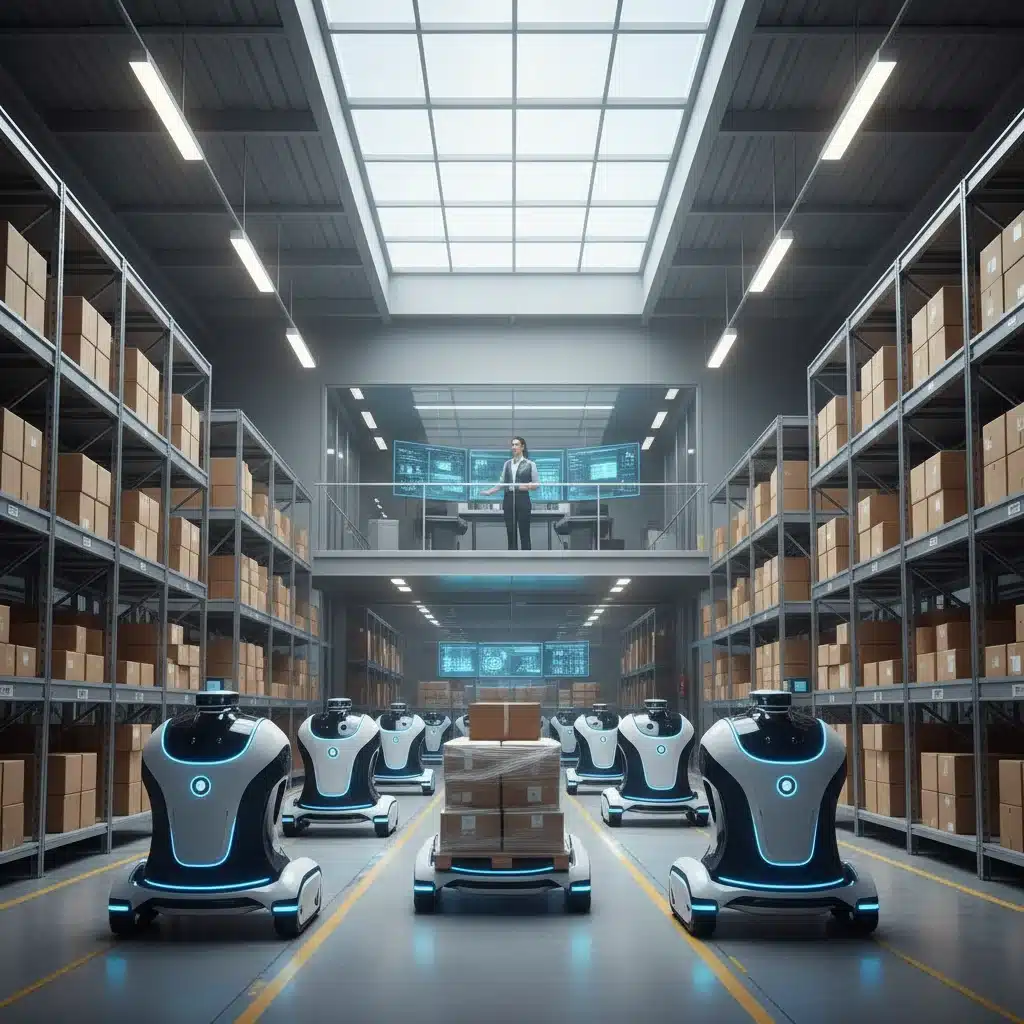
AMRs are perhaps the most recognizable form of warehouse robotics. These intelligent robots navigate warehouse floors autonomously, transporting goods, moving carts, and assisting with picking processes. Unlike traditional Automated Guided Vehicles (AGVs) that follow fixed paths, AMRs use sensors, cameras, and sophisticated software to understand their environment, avoid obstacles, and dynamically adjust their routes. This flexibility allows for easier integration into existing layouts without significant infrastructure changes, lowering initial deployment costs and accelerating ROI.
- Cost Savings Impact: AMRs significantly reduce the need for human labor in material transport, leading to direct wage savings. They also improve throughput and reduce product damage, further contributing to overall warehouse robotics cost savings.
Robotic Picking Systems
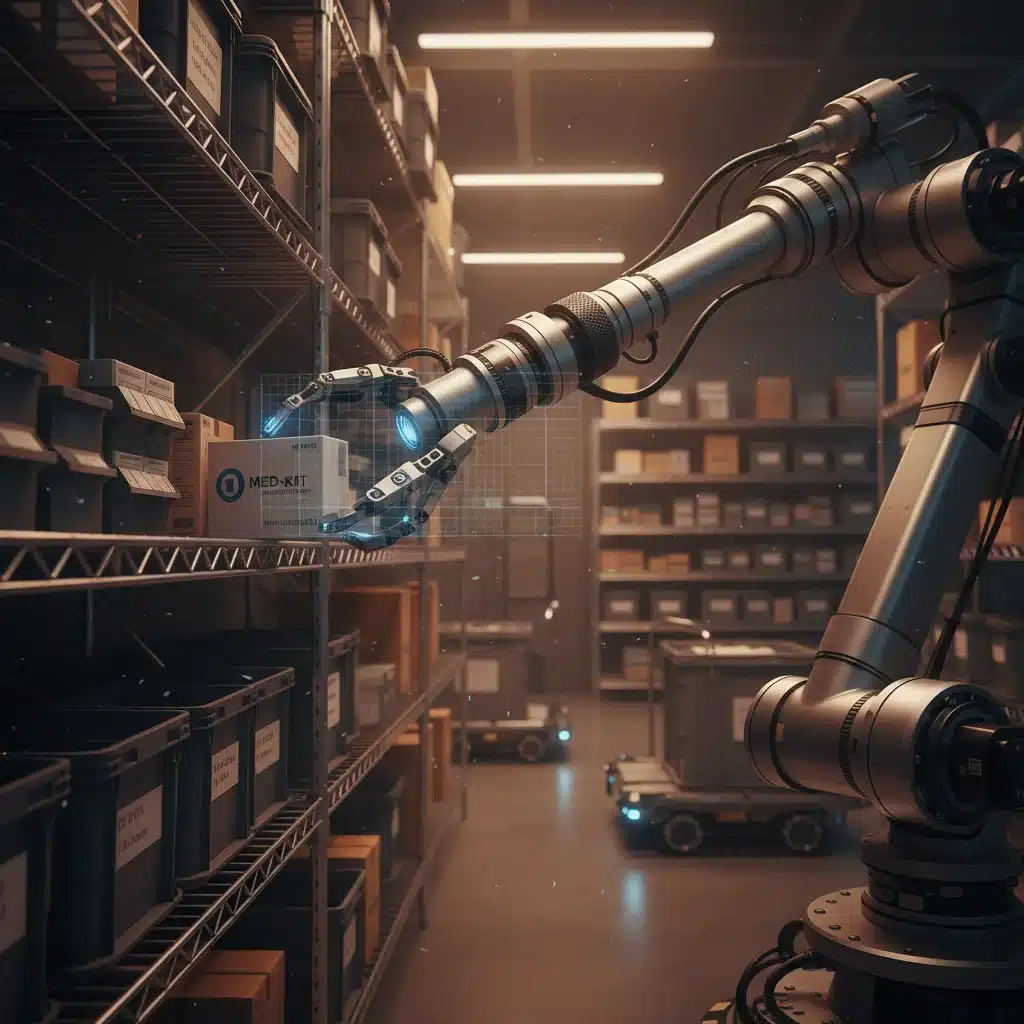
These systems utilize robotic arms equipped with advanced vision systems and grippers to pick individual items from shelves or bins. They are particularly effective for repetitive picking tasks, especially in e-commerce fulfillment centers where a wide variety of SKUs need to be handled quickly and accurately. Advances in artificial intelligence and machine learning enable these robots to handle diverse product shapes and sizes.
- Cost Savings Impact: Robotic picking systems dramatically reduce labor costs associated with manual picking, which is often the most labor-intensive part of warehouse operations. They also improve accuracy, minimizing errors and associated return costs.
Automated Storage and Retrieval Systems (AS/RS)
AS/RS solutions, while not always purely ‘robotic’ in the traditional sense, often incorporate robotic elements for high-density storage and retrieval of inventory. These systems can be shuttle-based, crane-based, or carousel-based, designed to maximize storage space utilization and automate the movement of goods in and out of storage.
- Cost Savings Impact: AS/RS reduces the need for human operators to navigate vast storage areas, saving significant labor time. They also optimize space, potentially delaying or eliminating the need for costly warehouse expansion.
Sorting Robots
These robots are designed to sort packages and items at high speeds, diverting them to the correct outbound lanes or destinations. They are crucial for optimizing outbound logistics and ensuring timely delivery.
- Cost Savings Impact: Sorting robots drastically increase sorting speed and accuracy, reducing manual labor requirements and minimizing mis-sorts, which can be costly in terms of re-handling and delayed shipments.
The combined effect of these technologies creates a powerful ecosystem that drives substantial warehouse robotics cost savings across various operational facets.
Quantifying the Savings: A 22% Reduction in Labor Costs
Achieving a 22% reduction in labor costs within 12 months through warehouse robotics is an ambitious yet attainable goal for many organizations. This figure is not arbitrary; it’s based on numerous case studies and industry analyses that demonstrate the rapid ROI of well-implemented automation. Here’s how these savings materialize:
1. Direct Wage Reduction
By automating tasks previously performed by human workers, businesses can directly reduce their payroll expenses. This includes wages, overtime pay, and associated benefits. For tasks like material transport, picking, and sorting, robots can operate continuously without breaks, sick days, or vacation, leading to a more consistent and predictable labor cost profile.
2. Reduced Recruitment and Training Costs
High employee turnover in warehouses is a common issue, leading to continuous recruitment and training cycles, both of which are expensive. Robotics can stabilize the workforce by reducing the number of entry-level positions prone to high turnover, thereby cutting down on these recurring costs. The remaining human roles often require higher skills, leading to better retention.
3. Improved Efficiency and Throughput
Robots operate with consistent speed and accuracy, often exceeding human capabilities in repetitive tasks. This leads to increased throughput, meaning more orders can be processed in less time. Higher throughput translates to greater revenue potential without proportional increases in labor, effectively reducing the labor cost per unit produced.
4. Minimized Errors and Damage
Human error in picking and packing can lead to mis-shipments, returns, and damaged goods, all of which incur significant costs. Robotic systems, with their precision and consistency, drastically reduce these errors, leading to fewer returns, less rework, and improved customer satisfaction. This indirect cost saving contributes significantly to the overall warehouse robotics cost savings.
5. Optimized Space Utilization
Certain robotic systems, particularly AS/RS and compact AMRs, can operate in narrower aisles and higher storage configurations than human workers, maximizing the use of existing warehouse space. This optimization can defer or eliminate the need for costly physical expansion, representing a substantial capital expenditure saving.
6. Enhanced Safety
By taking over hazardous or ergonomically challenging tasks, robots reduce the risk of workplace injuries. This leads to fewer workers’ compensation claims, lower insurance premiums, and a safer working environment, which are all significant contributors to warehouse robotics cost savings.
Strategic Implementation: A Roadmap to 22% Savings
Achieving significant labor cost reductions requires a well-planned and executed strategy. Here’s a roadmap for successful robotics implementation:
Phase 1: Assessment and Planning (Months 1-2)
Begin with a comprehensive analysis of your current warehouse operations. Identify bottlenecks, labor-intensive tasks, and areas with high error rates. Evaluate your existing infrastructure, including layout, IT systems, and power availability. Define clear objectives for automation, such as specific throughput targets or target labor cost reductions. Engage with potential robotics vendors to understand available solutions and their compatibility with your needs. Develop a detailed business case and ROI projection, keeping warehouse robotics cost savings at the forefront.
Phase 2: Pilot Program and Integration (Months 3-6)
Start with a small-scale pilot program to test the chosen robotic solution in a controlled environment. This allows for fine-tuning, identification of unforeseen challenges, and validation of the expected benefits. Focus on integrating the robots with your existing Warehouse Management System (WMS) or Enterprise Resource Planning (ERP) system. Crucially, involve your human workforce early in the process, providing training and communicating the benefits of automation to alleviate concerns about job displacement.
Phase 3: Scaled Deployment and Optimization (Months 7-12)
Based on the success of the pilot, gradually scale up the deployment across more areas of the warehouse. Continuously monitor performance metrics, including throughput, accuracy, and labor hours saved. Use data analytics to identify further optimization opportunities, such as improving robot navigation paths or adjusting picking strategies. Regularly review the financial impact to ensure the 22% labor cost reduction target is on track, making adjustments as necessary to maximize warehouse robotics cost savings.
Overcoming Challenges in Robotics Implementation
While the benefits are clear, implementing warehouse robotics is not without its challenges. Addressing these proactively is key to success:
Initial Investment Costs
Robotics systems represent a significant upfront capital expenditure. Businesses need to have a clear understanding of the ROI and financing options available. Leasing, Robotics-as-a-Service (RaaS), and government incentives can help mitigate this initial burden.
Integration Complexity
Integrating new robotic systems with existing IT infrastructure can be complex. Choosing vendors with open APIs and a strong track record of successful integrations is vital. A phased approach, starting with less complex integrations, can also ease the transition.
Workforce Adaptation
Employee resistance to automation is a common concern. Transparent communication, retraining programs for new roles, and demonstrating how robotics can improve working conditions are essential for successful adoption and to ensure that the human element continues to contribute to warehouse robotics cost savings through enhanced productivity and morale.
Maintenance and Support
Robotic systems require ongoing maintenance and technical support. Businesses need to factor in these costs and ensure they have access to skilled technicians, either in-house or through vendor service agreements.

The Future of Warehouse Operations: A Symbiotic Relationship
The future of warehouse operations isn’t about replacing humans with robots entirely; it’s about creating a symbiotic relationship where robots handle the ‘3 Ds’ – dull, dirty, and dangerous tasks – allowing human workers to focus on more cognitive, problem-solving, and customer-centric activities. This human-robot collaboration leads to a more resilient, efficient, and ultimately more profitable operation.
Consider the long-term implications beyond the immediate warehouse robotics cost savings. Companies that embrace automation are better positioned to scale their operations rapidly, adapt to fluctuating market demands, and maintain a competitive edge. They can offer faster fulfillment, higher accuracy, and a superior customer experience, all while operating with a leaner, more strategically deployed workforce.
Conclusion: Embracing Robotics for Sustainable Growth
The promise of cutting labor costs by 22% in the next 12 months through warehouse robotics is a powerful incentive for businesses grappling with operational inefficiencies and rising expenses. By carefully assessing needs, strategically implementing the right robotic solutions, and fostering a culture of adaptation, companies can unlock significant warehouse robotics cost savings and pave the way for sustainable growth.
The journey to a fully automated or semi-automated warehouse is a strategic investment that yields tangible financial returns and operational advantages. It’s no longer a futuristic concept but a present-day necessity for businesses aiming to thrive in the demanding landscape of modern logistics and supply chain management. Embrace the robotic revolution; your bottom line will thank you.