
Maximizing Store Productivity: Implementing Task Management Platforms for a 12% Gain in Employee Efficiency by Mid-2026
In today’s fast-paced retail landscape, achieving optimal store productivity platforms is not just an aspiration; it’s a critical necessity for survival and growth. Retailers are constantly seeking innovative solutions to streamline operations, reduce overheads, and, most importantly, empower their employees to perform at their peak. The answer increasingly lies in the strategic adoption of advanced task management platforms. These powerful tools are transforming how retail teams operate, promising significant improvements in efficiency and, by extension, profitability. Our ambition for this article is to demonstrate how a focused implementation of these platforms can realistically lead to a 12% gain in employee efficiency by mid-2026, setting a new benchmark for operational excellence in retail.
The retail environment is inherently complex, characterized by a myriad of daily tasks ranging from inventory management and visual merchandising to customer service and administrative duties. Without a structured approach, these tasks can quickly become overwhelming, leading to inefficiencies, missed opportunities, and decreased morale. Traditional methods of task assignment and tracking, often relying on paper checklists or rudimentary spreadsheets, are simply no longer sufficient to meet the demands of a modern, competitive market. This is where dedicated task management platforms step in, offering a centralized, dynamic, and intelligent solution to orchestrate the myriad activities that define daily store operations. By providing clear visibility, accountability, and real-time communication, these platforms are not just tools; they are strategic assets designed to revolutionize how businesses manage their most valuable resource: their people.
This comprehensive guide will delve into the multifaceted benefits of implementing task management platforms. We will explore how they enhance communication, improve task execution, provide invaluable data for performance analysis, and ultimately contribute to a more engaged and productive workforce. We will also discuss the key features to look for when selecting a platform, outline a strategic implementation roadmap, and address potential challenges, offering practical solutions to ensure a smooth transition and maximize return on investment. Our goal is to equip you with the knowledge and insights needed to confidently leverage these technologies, transforming your store into a model of efficiency and setting a clear path towards achieving a substantial 12% increase in employee efficiency within the next few years. The journey to superior store productivity platforms begins now, and with the right tools, the destination is well within reach.
The Imperative for Enhanced Store Productivity
In an era defined by rapid technological advancements and evolving consumer expectations, the retail sector faces unprecedented pressures. Margins are tight, competition is fierce, and the need to deliver exceptional customer experiences has never been greater. Against this backdrop, optimizing store productivity platforms is no longer a luxury but a fundamental requirement for sustained success. Every minute saved, every task streamlined, and every employee empowered directly contributes to the bottom line and strengthens a brand’s market position.
Consider the typical day in a retail store. Employees are juggling multiple responsibilities: stocking shelves, assisting customers, processing transactions, cleaning, handling returns, and preparing for promotions. Without a clear, centralized system, these tasks can lead to bottlenecks, miscommunications, and duplicated efforts. An employee might spend valuable time searching for instructions, unsure of priorities, or duplicating work already completed by a colleague. These inefficiencies, though seemingly minor individually, accumulate over time to create significant drag on overall productivity and profitability.
Furthermore, the modern retail workforce, particularly younger generations, expects access to intuitive, digital tools that mirror their personal technology experiences. Providing outdated or cumbersome systems can lead to frustration, reduced engagement, and higher turnover rates. Investing in modern store productivity platforms signals to employees that their time and effort are valued, fostering a more positive and productive work environment. It’s about creating a culture where efficiency is celebrated, and employees are equipped with the best possible resources to excel.
Beyond internal operations, enhanced productivity directly impacts the customer experience. When tasks are managed efficiently, shelves are consistently stocked, displays are immaculate, and staff are readily available and less stressed, leading to more attentive and personalized customer interactions. This directly translates to higher customer satisfaction, increased loyalty, and ultimately, greater sales. Therefore, the drive for improved store productivity platforms is not merely an internal operational goal; it’s a strategic imperative that touches every aspect of a retail business, from employee morale to customer loyalty and financial performance.
The 12% efficiency gain target by mid-2026 is ambitious but achievable, grounded in the transformative potential of these platforms. It represents a commitment to continuous improvement, leveraging technology to unlock latent potential within the workforce and operations. By meticulously planning and executing the implementation of a robust task management system, retailers can not only meet but exceed this target, positioning themselves for long-term success in a dynamic market.
Understanding Task Management Platforms
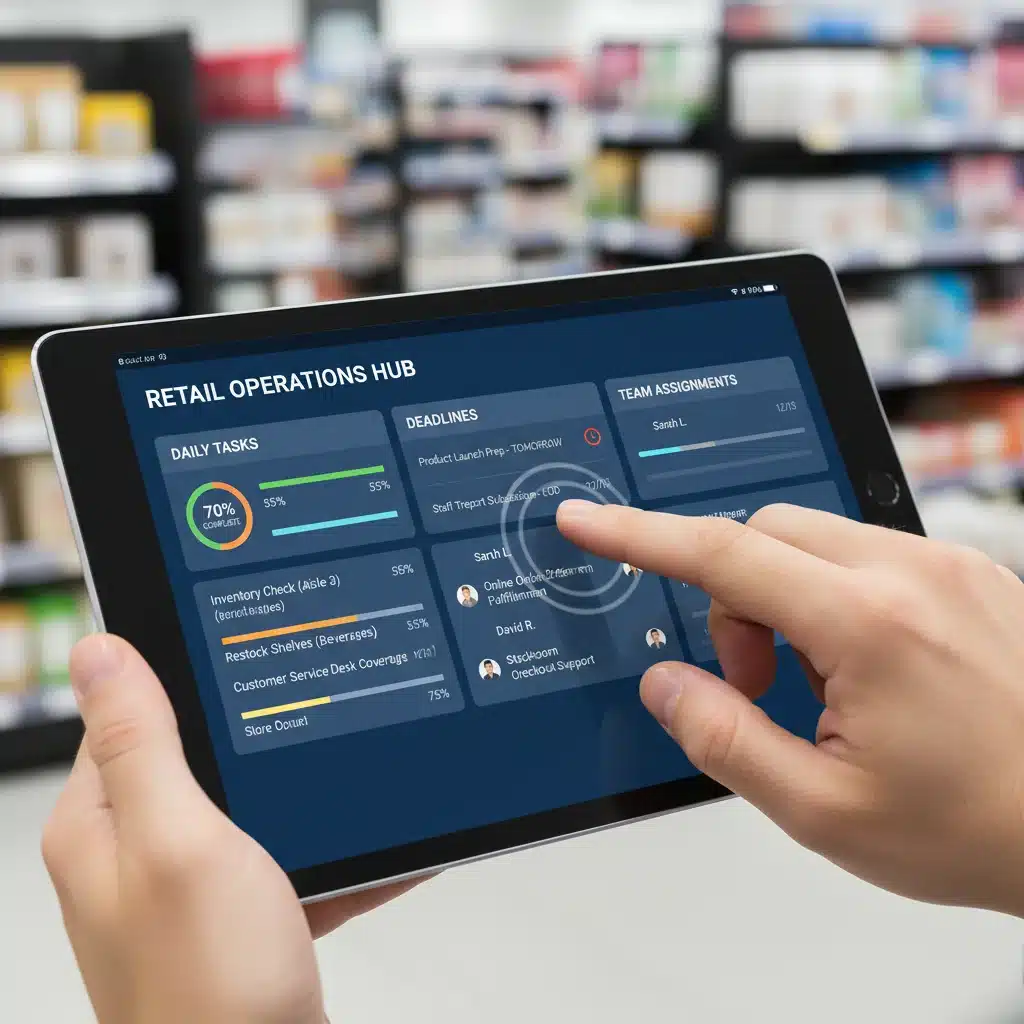
At its core, a task management platform is a software solution designed to help individuals and teams organize, prioritize, and track their work. For retail, these platforms are specifically tailored to address the unique operational challenges of store environments. They move beyond simple to-do lists, offering a comprehensive suite of features that facilitate seamless workflow management and enhance store productivity platforms.
Key Features and Functionalities:
- Centralized Task Assignment and Tracking: The ability to assign specific tasks to individuals or teams, set deadlines, and monitor progress in real-time. This eliminates ambiguity and ensures everyone knows their responsibilities.
- Automated Workflows: Many platforms allow for the automation of routine tasks, such as generating daily opening/closing checklists, scheduling recurring merchandising updates, or flagging low stock levels for replenishment. This significantly reduces manual effort and potential for human error.
- Communication Hub: Integrated messaging and collaboration tools enable seamless communication between team members, departments, and even regional management. This means less reliance on disparate communication channels and faster resolution of issues.
- Digital Checklists and SOPs: Replacing paper-based manuals with digital, interactive checklists and Standard Operating Procedures (SOPs) ensures consistency across all tasks and locations. Employees can access critical information instantly and mark tasks complete with digital verification.
- Performance Analytics and Reporting: Robust reporting features provide insights into task completion rates, time spent on specific activities, and individual or team performance. This data is invaluable for identifying bottlenecks, optimizing processes, and making informed operational decisions.
- Mobile Accessibility: Given the dynamic nature of retail, most effective platforms offer mobile applications, allowing employees to access tasks, update progress, and communicate from anywhere on the store floor using smartphones or tablets.
- Integration Capabilities: The best platforms integrate with existing retail systems, such as Point of Sale (POS), inventory management, and HR software, creating a unified operational ecosystem. This reduces data silos and improves overall data accuracy.
The evolution of these platforms has seen them become increasingly sophisticated, incorporating elements of artificial intelligence and machine learning to predict potential issues, suggest optimal task sequences, and even personalize task assignments based on employee skills and availability. This level of intelligence is what truly differentiates modern store productivity platforms from their predecessors, moving them from simple organizational tools to strategic operational assets.
By centralizing information, automating repetitive processes, and fostering better communication, these platforms create an environment where employees can focus on value-added activities, leading to a significant uplift in efficiency. They provide a clear, measurable way to manage daily operations, ensuring that strategic goals are translated into actionable tasks and executed effectively across all store locations.
Strategic Implementation: A Roadmap to 12% Efficiency Gain
Achieving a 12% gain in employee efficiency by mid-2026 through store productivity platforms requires more than just purchasing software; it demands a strategic, phased implementation approach. This roadmap outlines the critical steps to ensure successful adoption and maximize the platform’s impact.
Phase 1: Assessment and Planning (Months 1-3)
- Current State Analysis: Begin by conducting a thorough audit of current operational processes. Identify existing bottlenecks, pain points, and areas where inefficiencies are most prevalent. Document current task assignment methods, communication flows, and reporting mechanisms. This baseline understanding is crucial for measuring future improvements.
- Define Clear Objectives and KPIs: Beyond the 12% efficiency target, establish specific, measurable, achievable, relevant, and time-bound (SMART) objectives. Examples include reducing time spent on inventory checks by 20%, improving task completion rates by 15%, or decreasing communication delays by 30%. Define Key Performance Indicators (KPIs) to track progress.
- Platform Selection: Based on your assessment and objectives, research and select a task management platform that best fits your specific retail needs, budget, and existing IT infrastructure. Prioritize platforms with strong mobile capabilities, integration options, and user-friendly interfaces. Involve key stakeholders from different store functions in the selection process.
- Pilot Program Design: Choose a small group of stores or a specific department to serve as a pilot. This allows for testing the platform in a controlled environment, identifying issues, and refining processes before a wider rollout.
Phase 2: Pilot Implementation and Refinement (Months 4-6)
- Configuration and Customization: Work with the vendor to configure the chosen platform to your specific workflows, task types, and reporting requirements. Customize dashboards, templates, and user roles.
- Training Program Development: Create comprehensive training materials and conduct hands-on sessions for the pilot group. Focus on both the technical aspects of using the platform and the ‘why’ behind its implementation – emphasizing how it benefits employees.
- Pilot Rollout and Monitoring: Launch the platform with the pilot group. Closely monitor usage, gather feedback from employees, and track the predefined KPIs. Be prepared to iterate and make adjustments based on real-world experience.
- Feedback and Optimization: Hold regular review meetings with the pilot team. Identify what’s working well and what needs improvement. Use this feedback to optimize workflows, refine training, and prepare for a broader deployment. This iterative process is vital for successful adoption of any new store productivity platforms.
Phase 3: Full-Scale Deployment and Scaling (Months 7-18)
- Phased Rollout: Based on the success and learnings from the pilot, implement the platform across all stores or departments in a phased manner. This allows for continued support and minimizes disruption.
- Ongoing Training and Support: Provide continuous training for new employees and refresher courses for existing staff. Establish a dedicated support channel for technical issues and user questions.
- Change Management and Communication: Proactively communicate the benefits of the new system to all employees. Address concerns, celebrate early wins, and highlight how the platform is making their jobs easier and more efficient. Leadership buy-in and active participation are crucial.
- Integration with Existing Systems: Where possible, integrate the task management platform with other core retail systems (e.g., POS, inventory, HR) to create a seamless data flow and eliminate manual data entry.
Phase 4: Continuous Improvement and Measurement (Months 19-36 and Ongoing)
- Regular Performance Review: Continuously monitor KPIs and conduct regular performance reviews to assess the impact of the platform on store productivity platforms. Compare current efficiency levels against the baseline established in Phase 1.
- Advanced Analytics: Leverage the platform’s reporting capabilities to gain deeper insights into operational trends, identify areas for further optimization, and forecast future needs.
- Gather Employee Feedback: Periodically survey employees to gauge satisfaction, identify new features they would find beneficial, and ensure the platform continues to meet their evolving needs.
- Stay Updated with Technology: Keep abreast of new features and updates from your platform vendor. Explore how emerging technologies, such as AI-driven insights or advanced mobile capabilities, can further enhance your store productivity platforms.
- Refine and Expand: Continuously refine processes and expand the use of the platform to cover more aspects of store operations, looking for new ways to automate and optimize.
By diligently following this roadmap, retailers can systematically implement task management platforms, ensuring high adoption rates and successfully achieving, if not exceeding, the ambitious 12% efficiency gain target by mid-2026. The key is to view this not as a one-time project, but as an ongoing commitment to operational excellence and continuous improvement.
Realizing the Benefits: Beyond Efficiency
While the primary goal of implementing store productivity platforms is to achieve a significant gain in employee efficiency, the benefits extend far beyond simple time savings. These platforms act as catalysts for a wide array of positive changes that collectively transform the retail environment and contribute to overall business success.
Enhanced Employee Engagement and Morale:
When employees are equipped with clear tasks, priorities, and the tools to execute them effectively, frustration diminishes, and job satisfaction increases. A well-implemented task management platform provides transparency, reduces ambiguity, and fosters a sense of accomplishment as tasks are completed and progress is visible. This empowerment leads to higher engagement, reduced stress, and ultimately, lower employee turnover – a significant challenge in the retail sector.
Improved Communication and Collaboration:
Siloed information and fragmented communication are common pitfalls in retail. Task management platforms break down these barriers by providing a centralized hub for all operational communications. Teams can collaborate on tasks, share updates, and resolve issues in real-time, regardless of their physical location within the store or across multiple branches. This seamless exchange of information ensures everyone is on the same page, fostering a more cohesive and collaborative work environment, which directly impacts store productivity platforms.
Consistent Brand Experience Across Locations:
For multi-store retailers, maintaining brand consistency is paramount. Task management platforms facilitate the standardized deployment of visual merchandising directives, promotional campaigns, and customer service protocols. Digital checklists and standard operating procedures (SOPs) ensure that every store adheres to brand guidelines, delivering a consistent and high-quality customer experience, regardless of where they shop.
Superior Customer Service:
When employees are efficient and well-organized, they have more time and mental bandwidth to dedicate to customers. Faster stock replenishment, cleaner stores, and readily available staff lead to a more pleasant and efficient shopping experience. Furthermore, platforms can help track customer requests or issues, ensuring timely follow-ups and personalized service, which are hallmarks of exceptional customer service and drivers of repeat business.
Data-Driven Decision Making:
One of the most powerful, yet often underutilized, benefits of these platforms is the wealth of data they generate. Retailers can gain unprecedented insights into operational performance: which tasks take the longest, which employees are most efficient in certain areas, common bottlenecks, and compliance rates. This data enables managers to make informed decisions, optimize staffing levels, refine processes, and strategically allocate resources, moving away from guesswork to a data-centric approach to managing store productivity platforms.
Reduced Operational Costs:
Increased efficiency directly translates to cost savings. Less time spent on administrative tasks, fewer errors requiring correction, optimized labor scheduling, and reduced waste all contribute to a leaner, more profitable operation. The initial investment in a task management platform is quickly offset by these tangible cost reductions and the amplified revenue generated from a more productive and customer-focused environment.
By embracing task management platforms, retailers are not just investing in a piece of software; they are investing in a future where their operations are more agile, their employees are more engaged, and their customers are more satisfied. The 12% efficiency gain is merely the measurable tip of an iceberg of profound, positive transformations across the entire retail ecosystem.

Overcoming Challenges and Ensuring Success
Implementing new technology, especially one that impacts daily workflows, is rarely without its challenges. However, with careful planning and proactive strategies, these hurdles can be effectively overcome, ensuring the successful adoption and long-term benefits of store productivity platforms.
Challenge 1: Employee Resistance to Change
Solution: This is perhaps the most common obstacle. Combat resistance by involving employees early in the process. Communicate the ‘why’ – how the platform will make their jobs easier, reduce stress, and improve their work-life balance. Emphasize the benefits to them personally, not just to the company. Provide extensive, hands-on training and ongoing support. Designate ‘power users’ or ‘champions’ within each store who can assist their colleagues and advocate for the platform.
Challenge 2: Complexity and Overwhelm
Solution: A new system can feel daunting. Start simple. Introduce core functionalities first and gradually roll out more advanced features as users become comfortable. Ensure the chosen platform has an intuitive, user-friendly interface. Break down training into digestible modules and provide quick-reference guides. The goal is to make the platform an enabler, not a burden, for enhancing store productivity platforms.
Challenge 3: Integration Issues with Existing Systems
Solution: If the new platform doesn’t seamlessly integrate with existing POS, inventory, or HR systems, it can create new data silos and manual workarounds. Prioritize platforms with robust API capabilities and a track record of successful integrations. Plan for integration early in the project lifecycle and involve IT and relevant department heads in the discussions. A phased integration approach can also help manage complexity.
Challenge 4: Lack of Management Buy-in and Usage
Solution: If managers don’t actively use and champion the platform, employees will quickly follow suit. Secure strong leadership buy-in from the outset. Managers must not only understand how to use the platform but also how to leverage its data for coaching, performance management, and strategic decision-making. Lead by example, demonstrating active use and promoting its benefits in team meetings.
Challenge 5: Data Overload and Analysis Paralysis
Solution: Task management platforms generate a lot of data. Without clear objectives for analysis, this can be overwhelming. Define key metrics and reports that are most relevant to your business goals. Train managers on how to interpret data to identify actionable insights, rather than just raw numbers. Focus on a few critical KPIs initially and expand as comfort grows. The data should inform, not confuse, efforts to improve store productivity platforms.
Challenge 6: Inadequate Customization
Solution: A one-size-fits-all approach rarely works in retail. Ensure the chosen platform is flexible enough to be customized to your specific store formats, operational workflows, and branding. Work closely with the vendor during the configuration phase to tailor the platform to your unique needs, making sure it truly supports your path to greater store productivity platforms.
Continuous Feedback Loop:
Establish mechanisms for ongoing feedback from all users – from frontline staff to senior management. Regular surveys, suggestion boxes, and dedicated feedback channels can help identify issues early and drive continuous improvement. This iterative approach ensures the platform evolves with your business needs and remains a valuable asset.
By anticipating these challenges and implementing these proactive solutions, retailers can navigate the implementation process smoothly, ensuring high adoption rates and realizing the full potential of their task management platforms to achieve and sustain significant gains in employee efficiency.
The Future of Retail Operations: Smart Productivity
As we look towards mid-2026 and beyond, the role of store productivity platforms will only become more central to retail success. The landscape is continuously evolving, driven by technological advancements and shifting consumer behaviors. The platforms of tomorrow will be even more intelligent, integrated, and predictive, further empowering retailers to optimize their operations and enhance the customer experience.
Imagine platforms that leverage artificial intelligence to dynamically adjust task priorities based on real-time store traffic, weather patterns, or even social media trends impacting local demand. These systems could proactively suggest optimal staffing levels, predict inventory needs with greater accuracy, and even personalize employee training based on individual performance data. The integration with IoT devices within the store – from smart shelves monitoring stock levels to sensors tracking customer flow – will create a truly connected operational ecosystem.
Furthermore, the focus will shift from merely managing tasks to optimizing the entire employee experience. Gamification elements could be introduced to make task completion more engaging, rewarding employees for efficiency and accuracy. Advanced analytics will move beyond descriptive reporting to prescriptive recommendations, guiding managers on the best course of action to address operational challenges before they escalate.
The drive for sustainability will also play a role. Future store productivity platforms could help retailers track and reduce waste, optimize energy consumption through task scheduling, and ensure compliance with environmental regulations, all while maintaining operational efficiency. This holistic approach will allow retailers to not only be more profitable but also more responsible corporate citizens.
The 12% efficiency gain target by mid-2026 is an exciting and achievable milestone, but it is just one step on a longer journey towards hyper-efficient, intelligent retail operations. By embracing task management platforms today, retailers are laying the groundwork for a future where technology and human ingenuity combine to create unparalleled operational excellence. The continuous evolution of these platforms will ensure that retail businesses remain agile, resilient, and competitive in an ever-changing world, consistently delivering superior value to both their employees and their customers. The future of store productivity platforms is not just about doing more with less; it’s about doing better, smarter, and with greater impact.
Conclusion: Paving the Way for a More Efficient Retail Future
The journey to maximizing store productivity platforms is a strategic imperative for any retail business aiming for sustainable growth and competitive advantage in today’s dynamic market. We have explored how the thoughtful implementation of task management platforms can serve as the cornerstone of this transformation, setting a clear and achievable goal of a 12% gain in employee efficiency by mid-2026. This isn’t just an arbitrary number; it represents a tangible improvement in operational effectiveness that directly translates to increased profitability, enhanced customer satisfaction, and a more engaged workforce.
From centralizing task assignments and automating workflows to fostering seamless communication and providing invaluable performance analytics, these platforms offer a comprehensive solution to the myriad challenges faced by modern retailers. They empower employees by providing clarity and accountability, reduce operational friction by streamlining processes, and equip management with the data needed to make informed, strategic decisions. The benefits extend beyond mere efficiency gains, touching every facet of the retail experience, from improved employee morale and consistent brand delivery to superior customer service and reduced operational costs.
While the path to successful implementation may present challenges such as employee resistance or integration complexities, these can be effectively navigated through a well-structured roadmap, comprehensive training, strong leadership buy-in, and a commitment to continuous improvement. By viewing the adoption of these platforms not as a one-time project but as an ongoing commitment to operational excellence, retailers can ensure long-term success and adaptability.
The future of retail operations is undoubtedly intertwined with smart productivity solutions. As technology continues to advance, task management platforms will become even more sophisticated, leveraging AI and IoT to create predictive, proactive, and hyper-personalized operational environments. By investing in these tools today, retailers are not just solving current problems; they are building a resilient, agile, and highly efficient foundation for the future.
The call to action is clear: embrace the power of store productivity platforms. Begin your assessment, select the right solution, and embark on a phased implementation journey. The 12% efficiency gain by mid-2026 is not just a target; it’s a testament to the transformative potential of technology when strategically applied. It’s time to unlock your store’s full potential and pave the way for a more efficient, profitable, and future-ready retail enterprise.